Protein Bars 101: A Beginner’s Guide to Finding the Right One for You

Protein bars have become a go-to snack for people who want to fuel their bodies before or after a workout, or those looking for a convenient and healthy snack option. However, with so many options on the market, it can be overwhelming to choose the right one for your needs.
What are Protein Bars?
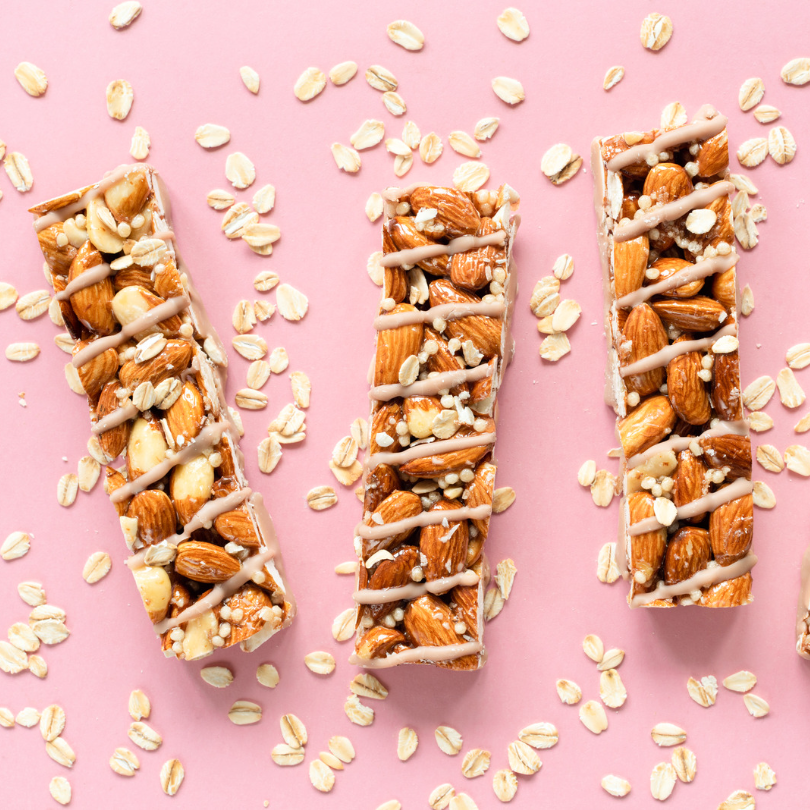
Protein bars are a type of nutritional supplement that provides a high amount of protein in a compact form. They usually come in the form of a bar and are designed to be a convenient and easy way to increase protein intake. Protein bars are available in a variety of flavors, sizes, and types, and are popular among athletes, fitness enthusiasts, and people who lead busy lifestyles.
Why Choose Protein Bars?
Protein bars are a great option for people who are looking to increase their protein intake or are in need of a quick and convenient snack. They are especially popular among athletes and fitness enthusiasts who require more protein to support their active lifestyle. Protein bars can also help in weight management by providing a filling and satisfying snack that can curb hunger and prevent overeating.
What to Look for When Choosing a Protein Bar
When choosing a protein bar, it is important to consider the following factors:
Protein Content
Protein content is the most important factor to consider when choosing a protein bar. Look for bars that have at least 15 grams of protein per serving, as this will help you meet your daily protein requirements.
Sugar Content
Many protein bars are high in sugar, which can lead to weight gain and other health issues. Look for bars that have less than 10 grams of sugar per serving or choose bars that use natural sweeteners like stevia or monk fruit.
Carbohydrate Content
Carbohydrates are important for providing energy, but it is important to choose bars that have a low carbohydrate content, especially if you are on a low-carb diet. Look for bars that have less than 20 grams of carbohydrates per serving.
Fat Content
Fat is an important nutrient for providing energy and supporting overall health, but it is important to choose bars that are not too high in fat. Look for bars that have less than 10 grams of fat per serving.
Calorie Content
Protein bars can be high in calories, so it is important to choose bars that are not too high in calories. Look for bars that have less than 300 calories per serving.
Fiber Content
Fiber is important for maintaining digestive health and can also help you feel full for longer. Look for bars that have at least 3 grams of fiber per serving.
Ingredient List
The ingredient list is an important factor to consider when choosing a protein bar. Look for bars that use high-quality ingredients and avoid bars that contain artificial flavors, colors, and preservatives.
Allergies and Dietary Restrictions
If you have allergies or dietary restrictions, it is important to check the label before choosing a protein bar. Many protein bars contain common allergens like nuts, soy, and dairy, so be sure to choose bars that are suitable for your needs.
Fuel Your Day with High Protein Vegetarian Recipes
How to choose the best protein bar for your health and fitness goals.
- Check the Nutrition Label The first thing you should do when choosing a protein bar is to check the nutrition label. Look for bars that have at least 10 grams of protein per serving and no more than 15 grams of sugar. Additionally, look for bars that are high in fiber and low in saturated fat. These bars will help keep you full and energized without adding unnecessary calories to your diet.
- Avoid Artificial Ingredients Many protein bars on the market contain artificial ingredients such as sweeteners, flavors, and colors. These ingredients can be harmful to your health and may cause digestive issues. Look for bars that are made with natural ingredients such as nuts, seeds, and fruit. These bars will not only be better for your health but will also taste better.
- Look for Low-Calorie Options If you are trying to lose weight or maintain your current weight, it’s important to choose protein bars that are low in calories. Look for bars that are between 150-200 calories per serving. These bars will provide you with the protein and nutrients you need without sabotaging your weight loss efforts.
- Consider the Protein Source Not all protein sources are created equal. Some bars contain protein from whey, while others use plant-based sources such as soy or pea protein. If you are lactose intolerant or have a dairy allergy, look for bars that use plant-based protein sources. If you are a vegan or vegetarian, look for bars that are made with plant-based protein sources.
- Pay Attention to the Flavor Protein bars come in a variety of flavors, but not all of them taste great. It’s important to choose a bar that you enjoy eating. This will help ensure that you stick to your healthy eating plan and don’t reach for less healthy snack options.
- Check for Allergens If you have food allergies, it’s important to check the label for allergens. Many protein bars contain nuts, dairy, or soy, which can trigger an allergic reaction. Look for bars that are free from common allergens such as peanuts, tree nuts, dairy, soy, and gluten.
- Consider Your Fitness Goals Finally, consider your fitness goals when choosing a protein bar. If you are looking to build muscle, choose a bar that is high in protein and low in sugar. If you are looking to lose weight, choose a bar that is low in calories and high in fiber. If you are looking for a post-workout snack, choose a bar that is high in carbohydrates to help replenish your energy stores.
Frequently asked questions (FAQs)
Final saying
If you’re looking to maximize your protein intake, protein bars can be a great addition to your diet. In this article, we’ll explore the different types of protein bars and which ones are best suited to your needs.

- Where to Find the Best Plum Cake in Bangalore for Christmas & New Year - November 23, 2025
- Water Intake Calculator: Everything You Need to Know - September 7, 2024
- 5 Weight Gain Drink Recipes for Healthy Bulking - March 29, 2024
You also Like this
 5 Protein-Rich Breakfast Indian Recipes for Gym Lovers
 Get Fit and Healthy: How to Gain Healthy Weight the Right Way in 30 Days
 Gain Muscle Mass and Improve Health with These Food Selections and Tips
 Wrapping Up Your Workout: The Top 5 Wrist Wraps for Weightlifting
 Fix Your Protein With Peanut Banana Smoothie
 Whey vs Casein Protein: The Battle of Taste and Texture