How to Choose Protein Bars for Your Gym Diet
Finding a protein bar that is both healthy and delicious can be a challenge. But in this article, we've rounded up the top protein bars for weight loss and muscle gain, so you can achieve your fitness goals without sacrificing taste.

On this page
- How do protein bars fit into an Indian gym diet?
- How should you compare the nutrition labels?
- How much protein should one bar contain?
- Do sugar, carbohydrates and fat make a bar unhealthy?
- Which ingredients and allergy warnings matter?
- Should you buy protein bars or keep ordinary snacks?
- Frequently asked questions about protein bars
- The bottom line
- Sources
For a healthy 70 kg adult who exercises regularly, 98–140 g of protein per day is the ISSN reference range; protein bars can help fill a gap but are optional. That range comes from 1.4–2.0 g/kg/day, rather than a rule that every snack must contain a fixed amount of protein. The useful bar is the one that fits your meals, appetite, budget and training.
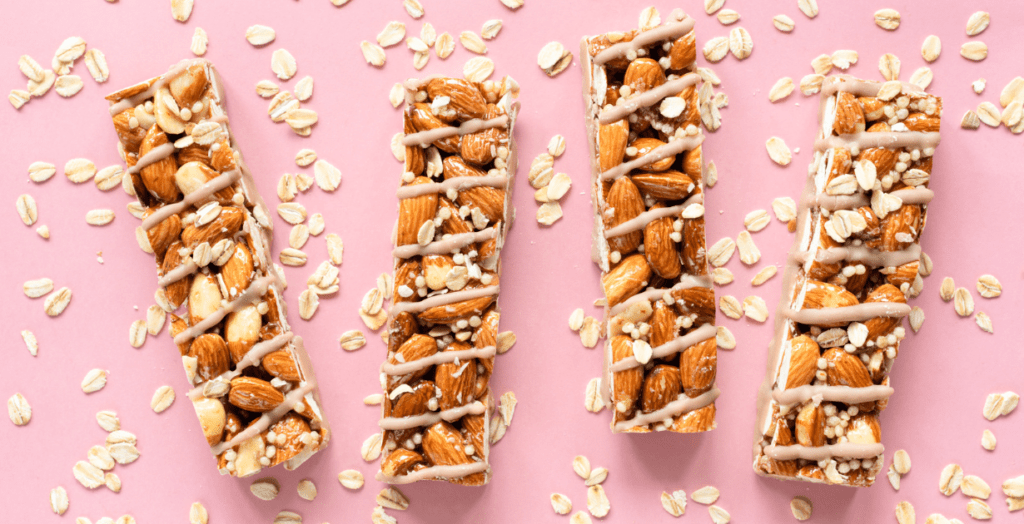
How do protein bars fit into an Indian gym diet?
Protein bars are packaged snacks made with ingredients such as whey, milk protein, soy, peas, nuts or grains. A bar can be convenient during a commute or between meetings when carrying a meal is difficult. Convenience does not make a bar nutritionally superior to ordinary food.
Before buying a box, look at your usual meals. Dal, paneer, curd, chana, eggs or other foods may already provide enough protein for your needs. A vegetarian diet does not automatically require plant-only bars: dairy is compatible with vegetarian eating, while vegan diets exclude dairy.
The ISSN protein range applies to most healthy exercising adults, rather than every reader. Children, pregnant people and people with kidney disease need advice suited to their circumstances. A high-protein target copied from a gym friend is not a substitute for that assessment.
How should you compare the nutrition labels?
Read both the serving size and the packet weight. A label expressed per 100 g can look impressive even when the actual bar weighs far less. Check whether the stated serving is one whole bar or only part of the packet.
The example below shows label arithmetic, not tested products or recommended nutrient targets. Both hypothetical bars provide 20 g protein per 100 g, but the larger bar delivers more protein and energy per packet. Use the same method on the current label of any product you buy.
| Illustrative label value | Example A: 40 g bar | Example B: 60 g bar |
|---|---|---|
| Protein per 100 g | 20 g | 20 g |
| Protein per whole bar | 8 g | 12 g |
| Energy per 100 g | 400 kcal | 400 kcal |
| Energy per whole bar | 160 kcal | 240 kcal |
For the calculation, multiply the per-100-g value by the bar weight and divide by 100. For example, 20 × 40 ÷ 100 equals 8 g protein. Repeat the calculation for calories, sugar and other nutrients instead of assuming the front-of-pack claim describes the whole packet.
How much protein should one bar contain?
No single minimum makes every protein bar suitable. Choose the amount that closes your actual daily gap, while considering the rest of the snack. The original article used conflicting thresholds of 10 g and 15 g per serving; neither is a universal nutrition requirement.
For example, a planned 100 g daily intake with 90 g supplied by meals leaves a 10 g gap. A bar supplying 10 g can cover that arithmetic gap, but curd or another food may be more convenient at home. These figures describe a planning example, not a prescribed target.
Do sugar, carbohydrates and fat make a bar unhealthy?
Judge a bar in the context of your whole diet rather than imposing separate cut-offs on every nutrient. Carbohydrate can support exercise, while nuts and seeds contribute fat as well as other nutrients. A higher-fat bar is not automatically unsuitable, and low carbohydrate is not a requirement for muscle gain.
Total sugars and added sugars describe different things. Compare whichever figures the label actually provides, then read the ingredient list for sweeteners and syrups. A no-added-sugar claim does not establish that the bar has few calories or is suitable for diabetes.
A weight-loss snack needs to fit overall energy intake. Adding a bar after your usual food increases intake even when the wrapper says high protein. Replacing an existing snack is a different choice from eating an extra bar, so decide what role the bar will serve before buying.
Which ingredients and allergy warnings matter?
Check milk, peanut, tree-nut, soy and other allergen declarations, including cross-contact warnings. A dairy-free claim and a lactose-free claim are not interchangeable: lactose intolerance concerns milk sugar, whereas milk allergy concerns milk proteins. Whey remains unsuitable for a person with milk-protein allergy.
Approved sweeteners are not inherently harmful merely because the ingredient name is unfamiliar. FDA guidance assesses sweetener safety under specified conditions of use; that guidance is not a certification of an Indian product. A claim that all artificial flavours or preservatives are dangerous is unsupported.
Sugar alcohols such as maltitol and sorbitol can cause gas, bloating or diarrhoea in some people. Try a small portion before taking a new bar immediately before training. Tolerance matters more than choosing a product solely because the wrapper says sugar-free.
Should you buy protein bars or keep ordinary snacks?
Protein bars offer portability and a stated serving size. Ordinary snacks can offer variety and may be easier to adjust to hunger. Compare a bar with food you would realistically pack, such as curd kept safely chilled or roasted chana, rather than with an imaginary perfect meal.
Check the current price yourself and divide the packet price by the number of bars. Compare protein per portion alongside that cost, without assuming a premium price means better ingredients or independent testing. This article does not rank the linked products or verify their current labels.
Fuel Your Day with High Protein Vegetarian Recipes
Original Amazon product widget 1
Original Amazon product widget 2
Original Amazon product widget 3
Frequently asked questions about protein bars
Are protein bars necessary to build muscle?
Protein bars are not necessary when meals meet protein and energy needs. Progressive resistance training and an adequate overall diet matter more than the snack format. A bar is one practical option when food access is limited.
Can protein bars help with weight loss?
Protein bars can fit a weight-loss plan if the snack fits total intake. Eating an additional bar without changing other food can increase calories instead. Choose a portion you find satisfying rather than assuming every high-protein product causes weight loss.
Should I eat a bar before or after the gym?
Choose the timing that fits hunger, meal access and digestive comfort. A heavy or poorly tolerated bar before training can make exercise uncomfortable. A normal meal can also provide protein after a workout.
Are plant-based protein bars better than whey bars?
Plant-based bars suit vegan diets and people avoiding milk protein. Whey bars can also fit a suitable diet when milk is tolerated. Compare the complete labels because the protein source alone does not determine the better snack.
Are sugar-free protein bars safe for diabetes?
A sugar-free label does not remove all carbohydrate or calories. People with diabetes should examine the full serving information and fit the snack into their individual eating plan. Ask the treating clinician or dietitian when changing food around glucose-lowering medication.
Can children use adult gym protein bars?
Adult gym targets should not be applied to children. Check the ingredients, allergens and any added stimulants before considering a bar for a child. Discuss routine supplement-style snacks with a paediatric clinician or dietitian.
The bottom line
Choose protein bars by the whole serving, ingredient list and the gap in your actual diet. Use the ISSN protein range only in its context of healthy exercising adults. Preserve room for ordinary Indian meals rather than treating bars as a replacement for dietary variety. Check current labels and personal tolerance before committing to a multipack.
Sources
International Society of Sports Nutrition Position Stand: protein and exercise — reference protein intake for healthy exercising adults.
Aspartame and Other Sweeteners in Food — sweetener safety and conditions of use.
Interactive Nutrition Facts Label: Sugar Alcohols — digestive effects of sugar alcohols.


1 comment