Rice Cakes: Calories, Nutrition, Benefits and Healthy Ways to Eat Them
On this page
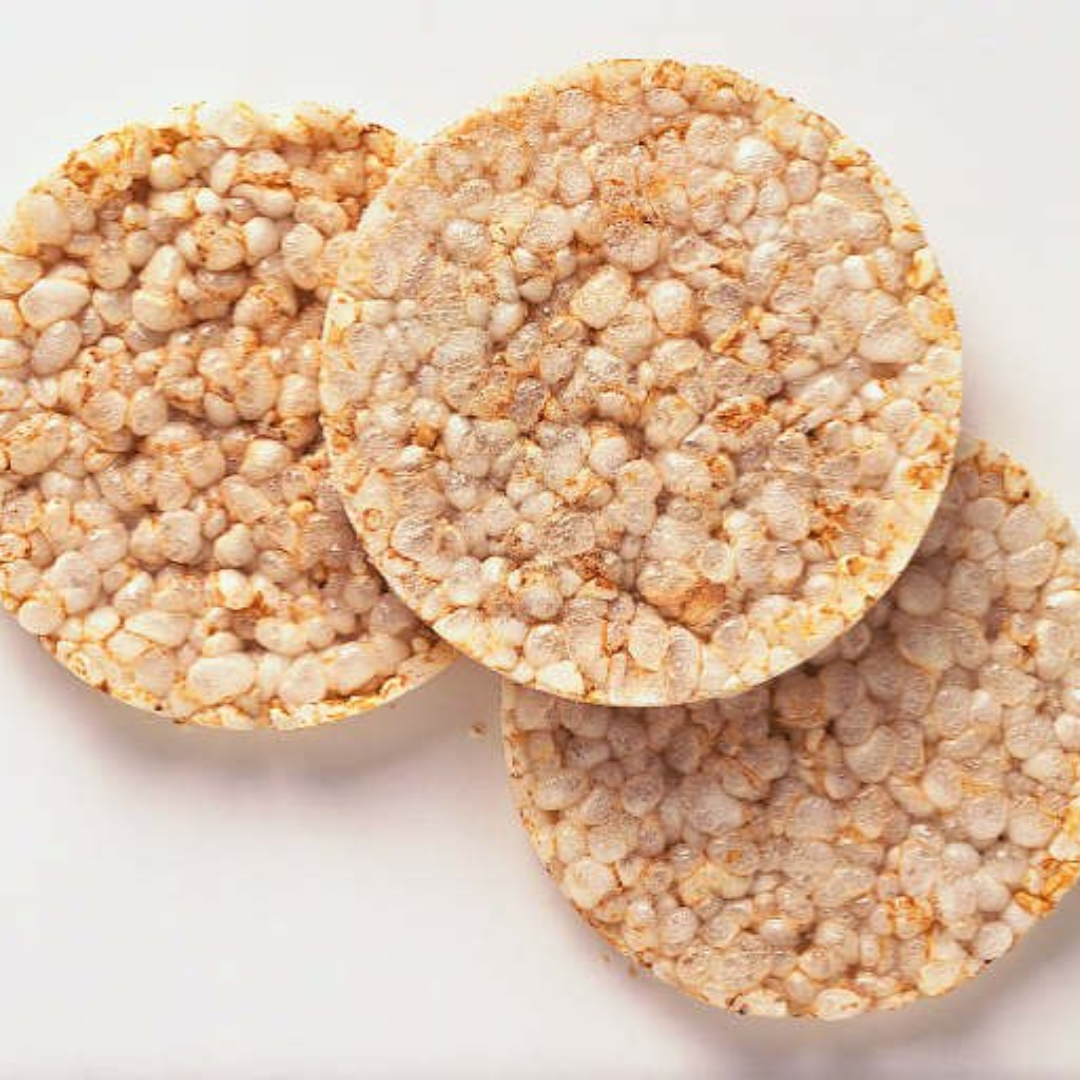
Rice cakes are a light, crunchy snack made from puffed rice, with about 35 kcal, 7 g of carbohydrate and under 1 g of protein in one plain cake (about 9 g). Plain rice cakes are low in fat and naturally gluten-free, but they digest fast and have a high glycemic index, so they keep you full longest when you top them with protein or healthy fat, such as peanut butter, paneer, eggs or hummus.
What are rice cakes?
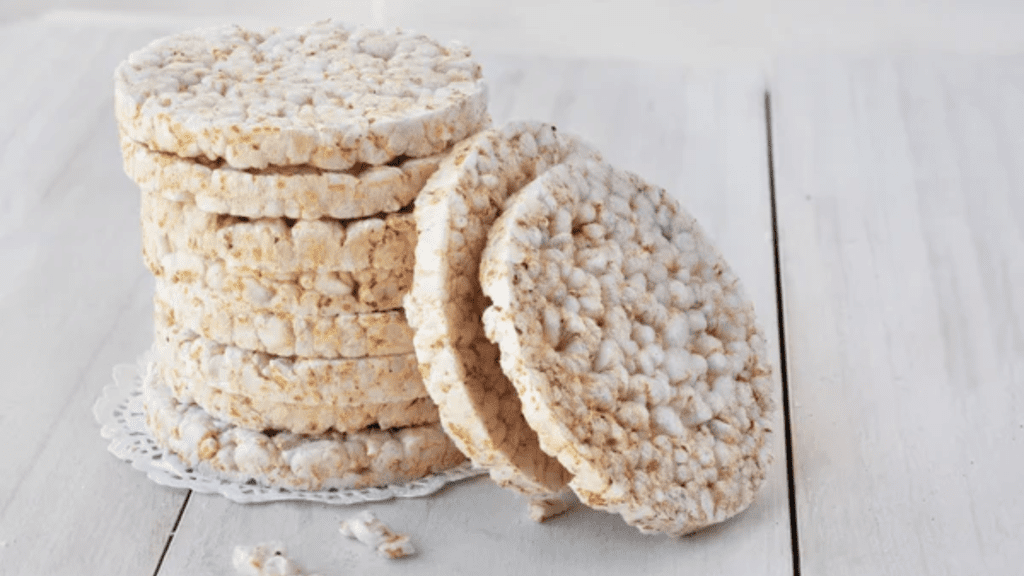
“Rice cake” means two different foods. The puffed rice cakes sold in packs are made by heating rice grains under pressure until they pop and fuse into a crisp disc. Traditional Asian rice cakes, such as Japanese mochi or Korean tteok, are made by cooking rice and pounding it into a soft, chewy dough. This article is mainly about puffed rice cakes, the packaged snack most Indian gym-goers buy.
Rice cakes have a long history in East Asia, where rice was a staple crop and pounded rice cakes were made as offerings during festivals and ceremonies. Many cultures have their own version today, from mochi in Japan to idli-style steamed rice cakes in South India.
How many calories are in a rice cake?
One plain brown-rice cake of about 9 g has roughly 35 kcal. Per 100 g, plain brown-rice cakes provide about 387 kcal, 82 g carbohydrate, 8 g protein, 3 g fat and 4 g fibre, according to USDA FoodData Central. Flavoured rice cakes (cheese, caramel, chocolate) usually add sugar, fat and salt, so check the nutrition panel on the pack.
| Plain brown-rice cake | Per cake (~9 g) | Per 100 g |
|---|---|---|
| Energy | ~35 kcal | ~387 kcal |
| Carbohydrate | ~7.3 g | ~82 g |
| Protein | ~0.7 g | ~8 g |
| Fat | ~0.3 g | ~3 g |
| Fibre | ~0.4 g | ~4 g |
Are rice cakes healthy?
Plain rice cakes can be a useful snack, but they are not a nutrient-dense food on their own. Their benefits and limits are:
Low in calories and fat
A plain rice cake has about 35 kcal and well under 1 g of fat, so two rice cakes replace a packet of fried namkeen or biscuits for a fraction of the calories. Unsalted versions are also very low in sodium; salted and flavoured versions are not.
Quick carbohydrate for workouts
Rice cakes are mostly carbohydrate that digests quickly, which makes them a practical pre-workout snack 30–60 minutes before training or part of a post-workout snack alongside a protein source such as whey or curd.
Naturally gluten-free
Rice contains no gluten, so plain rice cakes suit people who avoid gluten. People with coeliac disease should still choose packs labelled “gluten-free”, because some rice cakes are made on lines shared with wheat or barley.
Some B vitamins and minerals
Brown-rice cakes supply small amounts of niacin, thiamine, magnesium and manganese. The amounts per cake are small, so rice cakes should not be counted on as a main source of vitamins or minerals.
The downsides: high glycemic index and little protein
Puffed rice cakes have a high glycemic index, around 80 or above in the International Tables of Glycemic Index, so on their own they raise blood sugar quickly and do not keep you full for long. With less than 1 g of protein per cake, they also do little for muscle recovery unless you add a protein topping.
Also, read How To Choose The Best Protein Bars For Your Health And Fitness Goals
How to eat rice cakes: healthy topping ideas
Adding protein, fat or fibre to a rice cake slows digestion and makes it far more filling. These are easy ways to turn a plain rice cake into a balanced snack:
Rice cake sandwiches
Spread peanut butter, almond butter or hummus between two rice cakes. One tablespoon of peanut butter (about 16 g) adds roughly 4 g of protein and healthy fats.
High-protein savoury toppings
Top a rice cake with crumbled paneer, sliced boiled egg, hung curd with cucumber, or tofu bhurji. These toppings add protein so the snack keeps you full for longer than a plain rice cake.
Rice cake pizzas
Turn rice cakes into mini pizzas: add tomato sauce, a little cheese and vegetables, then warm them in the oven or air fryer for 3–4 minutes.
Rice cake “sushi” bites
Place your favourite sushi fillings, such as cucumber, avocado, carrot or cooked fish, on a rice cake with a strip of nori for a quick fusion snack.
Rice cake desserts
For something sweet, top a plain rice cake with Greek yogurt and fruit, or a thin layer of nut butter with banana slices. A small drizzle of honey works, but it adds sugar quickly.
Frequently asked questions about rice cakes
Are rice cakes good for weight loss?
Rice cakes can fit a weight-loss diet because one plain cake has only about 35 kcal. On their own, though, they are not very filling. Pair rice cakes with a protein topping and keep them within your daily calorie target.
Can people with diabetes eat rice cakes?
Puffed rice cakes have a high glycemic index, so they can raise blood sugar quickly. People with diabetes who eat them should keep portions small, combine them with protein or fat, and follow the advice of their doctor or dietitian.
Are rice cakes gluten-free?
Plain rice cakes are naturally gluten-free because rice has no gluten. Flavoured rice cakes and packs made on shared lines may contain traces of gluten, so people with coeliac disease should buy packs clearly labelled gluten-free.
Can children eat rice cakes?
Older children who chew well can eat rice cakes as an occasional snack. Rice can contain inorganic arsenic, and the US FDA advises parents to give infants and toddlers a variety of grains rather than relying on rice-based snacks.
Do rice cakes contain preservatives?
Plain rice cakes are usually just rice and sometimes salt. Flavoured rice cakes can contain added sugar, flavourings, oils and preservatives, so read the ingredients list and choose short labels.
Are rice cakes better than bread?
Two plain rice cakes (about 70 kcal) have fewer calories than one slice of most breads, but they also have less fibre and protein than whole-wheat bread. Choose based on what you add on top and on how full the snack keeps you.
The bottom line
Plain rice cakes are a low-calorie, gluten-free, crunchy base for snacks. They work best as a carrier for protein and healthy fats rather than as a snack on their own. Choose plain or lightly salted packs, add a topping such as peanut butter, paneer or eggs, and enjoy them as part of a balanced diet.
Sources
- USDA FoodData Central: rice cakes, brown rice, plain
- Atkinson FS et al. International tables of glycemic index and glycemic load values: 2008. Diabetes Care
- US FDA: Arsenic in food and dietary supplements


