Exercise in Periods: Gym, Cramps and Safety
When it comes to the topic of exercising during periods, there are often mixed opinions and misinformation circulating.
On this page
- Is exercise in periods safe?
- Can exercise help with period cramps?
- Can you lift weights or do cardio during periods?
- How can you choose an activity for a difficult day?
- Does exercise shorten periods or balance hormones?
- How can you make a gym session more comfortable?
- When should you stop exercising and seek care?
- Frequently asked questions about exercise in periods
- The bottom line
- Sources
Exercise in periods is usually possible when symptoms allow; a 10-minute easy walk is one optional starting point, not a compulsory target. Menstruation alone does not require stopping the gym. Adjust the session to pain, fatigue and bleeding, and rest or seek medical advice when symptoms make activity uncomfortable.
Is exercise in periods safe?
Many people can continue familiar activities during menstruation. The relevant question is how the person feels during that particular session. Someone with mild symptoms may train normally, while someone with severe pain may need rest and assessment.
Neither complete avoidance nor forcing a full workout is a useful blanket rule. A period is not a test of willpower. A shorter session, an easier activity or a day off can all be reasonable choices within a consistent training routine.
Start with an easy warm-up and reassess comfort before increasing effort. A 5-minute walk is a practical example. Stop if pain increases, balance feels poor or dizziness develops rather than trying to complete a preset number of exercises.
Can exercise help with period cramps?
Regular exercise may help some people with period pain, but the evidence needs qualification. The Cochrane review in Sources found low-quality evidence of benefit. The programmes generally ran throughout the month, so the findings do not prove that one hard workout during active bleeding will relieve cramps.
Try an activity already familiar, such as easy walking, gentle mobility or comfortable cycling. Avoid stretching into pain. A brief session that feels manageable is more useful than copying a long routine designed for someone with different symptoms.
Exercise does not replace assessment of severe or worsening pain. Pain that repeatedly interferes with school, work or normal activity deserves medical attention. A diagnosis such as endometriosis requires its own management plan.
Can you lift weights or do cardio during periods?
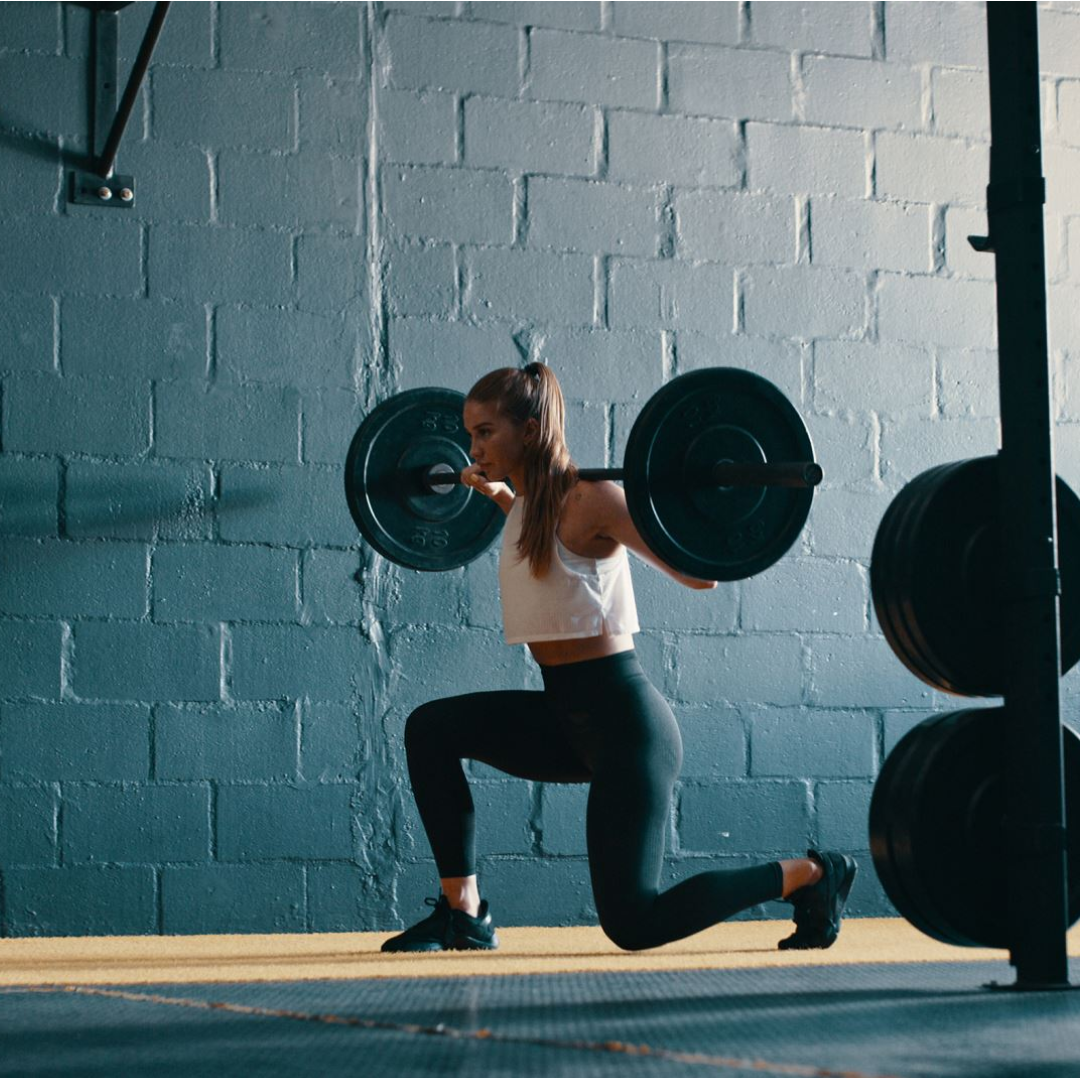
Strength training and cardio are not automatically prohibited during menstruation. Use familiar technique and adjust effort when symptoms warrant a change. Lighter weights are an option, rather than a requirement for everyone who has a period.
A practical change might be doing 2 comfortable sets instead of 3 demanding sets, or shortening a session. Those examples describe flexibility, not a medically established period-training formula. Avoid pushing through symptoms simply because a tracking app marks the day as suitable for hard training.
High-intensity exercise may be comfortable for some experienced trainees. Introduce new exercises or unusually hard sessions cautiously regardless of menstrual timing. Personal symptoms provide more useful day-to-day information than a universal cycle-based rule.
How can you choose an activity for a difficult day?
Choose activity according to the main limitation. Cramping, tiredness and heavy bleeding do not always need the same response. A short walk near home may be easier to manage than travelling to the gym for a full session.
If movement worsens symptoms, stop and rest. Resting for one session does not erase fitness progress. Avoid compensating later with an unusually long workout, which creates another sudden increase in training demands.
Does exercise shorten periods or balance hormones?
Exercise should not be advertised as a way to shorten menstrual bleeding or guarantee lighter periods. The original article made those claims without appropriate evidence. General fitness benefits do not establish a predictable change in menstrual duration.
Exercise also does not guarantee that irregular periods become regular. Many factors can affect cycles, and excessive training combined with inadequate food can be a concern. New or persistent cycle changes need assessment rather than an instruction to train more.
Keep meals regular around exercise. Dal, chana, paneer, curd, eggs or other suitable foods can be part of an adequate eating pattern. No single food or supplement should be presented as a way to correct menstrual hormones.
How can you make a gym session more comfortable?
Use a menstrual product that is familiar and suited to the activity. Carry spare supplies and choose clothing that allows comfortable movement. A product change should follow hygiene instructions rather than a workout deadline.
Drink normally and account for heat and sweating, especially during outdoor activity in Indian weather. Avoid treating fatigue as proof of dehydration or assuming a sports drink will solve every symptom. Food, sleep, bleeding and medical causes may also matter.
For swimming, use a product designed for use in water, if comfortable and appropriate. Follow the product’s instructions for insertion, removal and changing. A menstrual product does not guarantee zero leakage or remove the need for normal pool hygiene.
When should you stop exercising and seek care?
Seek prompt medical advice for period pain that is severe, worsening or disrupting normal activity. New bleeding between periods, persistent cycle changes or pain with other daily functions also warrant assessment. Do not label those symptoms a normal part of training.
Needing to change a pad or tampon every 1–2 hours can indicate heavy bleeding. Report the pattern to a clinician, particularly when tiredness or breathlessness accompanies bleeding. Iron supplements should not be started solely on the assumption that menstruation has caused iron deficiency.
Fainting, chest pain, marked breathlessness or heavy bleeding with feeling very unwell requires urgent medical assessment. Bleeding with possible pregnancy is a separate situation. Do not rely on a period exercise article to decide whether training is safe in pregnancy.
Morning or Evening Workouts The Science Behind- Which One Win?
Frequently asked questions about exercise in periods
Should I stop the gym on the first day?
Stopping is not compulsory. Choose the session according to symptoms, with rest when movement is uncomfortable.
Can I do squats during periods?
Familiar squats can be an option if comfortable. Reduce the load or stop when pain, dizziness or other symptoms make lifting unsuitable.
Will exercise make my period end faster?
Exercise is not a reliable way to shorten bleeding. Changes in duration or flow should not automatically be credited to a workout.
Is walking enough on a painful day?
A short comfortable walk can be a reasonable option. No minimum distance is necessary, and rest remains appropriate when symptoms worsen.
Can I swim while menstruating?
Swimming can be possible when symptoms allow. Use a suitable menstrual product and follow its hygiene and changing instructions.
Should I train harder to correct irregular periods?
Irregular periods need an assessment of possible causes. More training is not a guaranteed solution, particularly when food intake or recovery is inadequate.
The bottom line
Exercise in periods can fit a normal routine when symptoms allow. Adjust activity to comfort instead of applying a rule to every menstrual day. Regular movement may help some people with cramps, but exercise does not guarantee shorter bleeding or balanced hormones. Seek care for severe pain, heavy bleeding or persistent cycle changes.


