Cold Water Therapy: Recovery Benefits and Risks
Cold water therapy has been gaining popularity in recent years as a means of improving physical and mental health. This therapy involves immersing yourself in cold water or taking cold showers.
On this page
- What does cold water therapy mean?
- How much evidence supports relief from muscle soreness?
- Could an ice bath interfere with muscle gain?
- Are circulation and immunity claims justified?
- Can cold water therapy improve mental health?
- How do showers, immersion and open-water swimming differ?
- What safety precautions matter before cold exposure?
- What should you try before buying an ice bath?
- Frequently asked questions about Cold Water Therapy
- The bottom line
- Sources
Cold water therapy may reduce post-exercise muscle soreness over the next 24–96 hours, but cold exposure is not a proven treatment for depression or a guaranteed immunity boost. The clearest practical question is whether short-term soreness relief is worth the risks and possible training trade-offs. Ordinary recovery habits remain more useful than chasing the coldest possible bath.
What does cold water therapy mean?
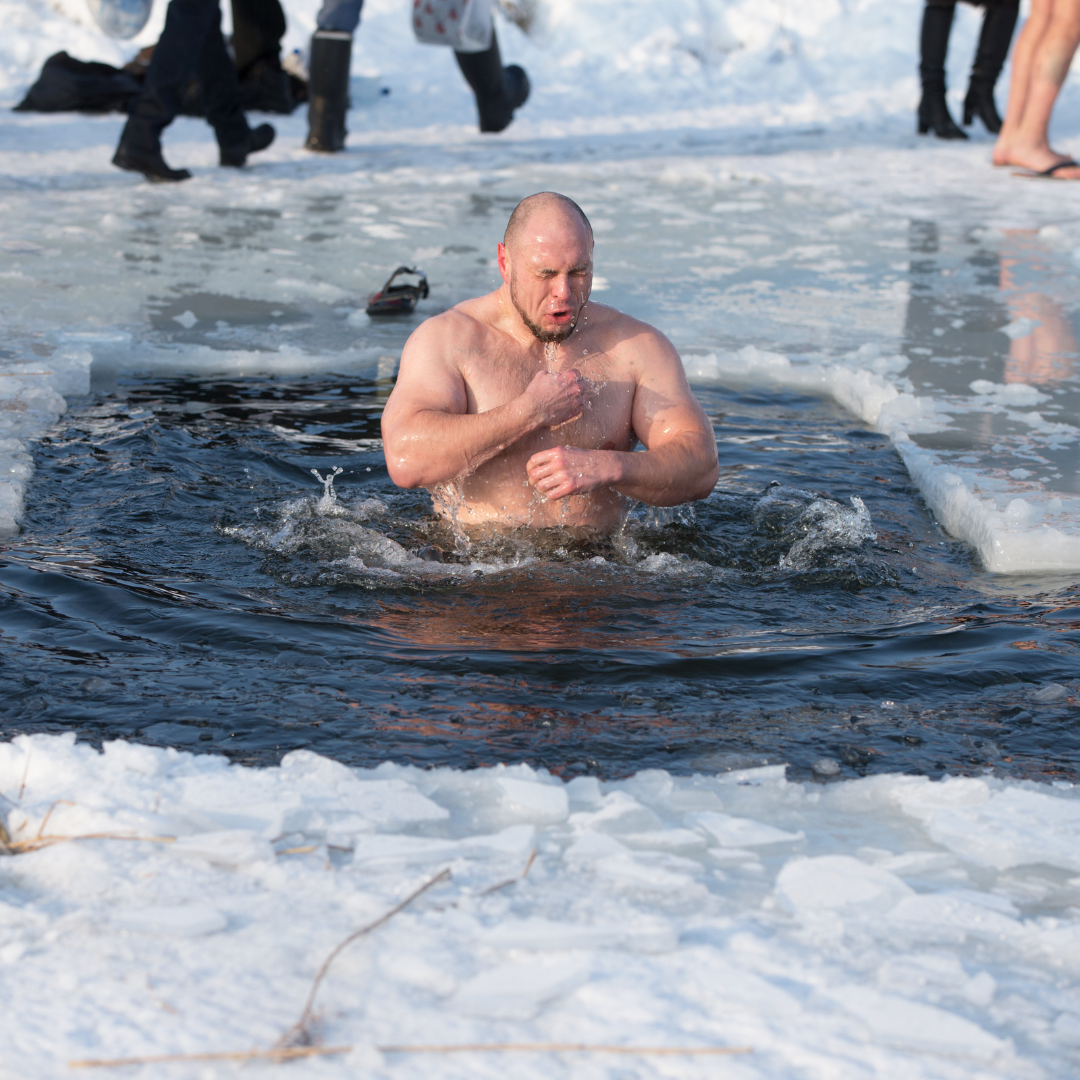
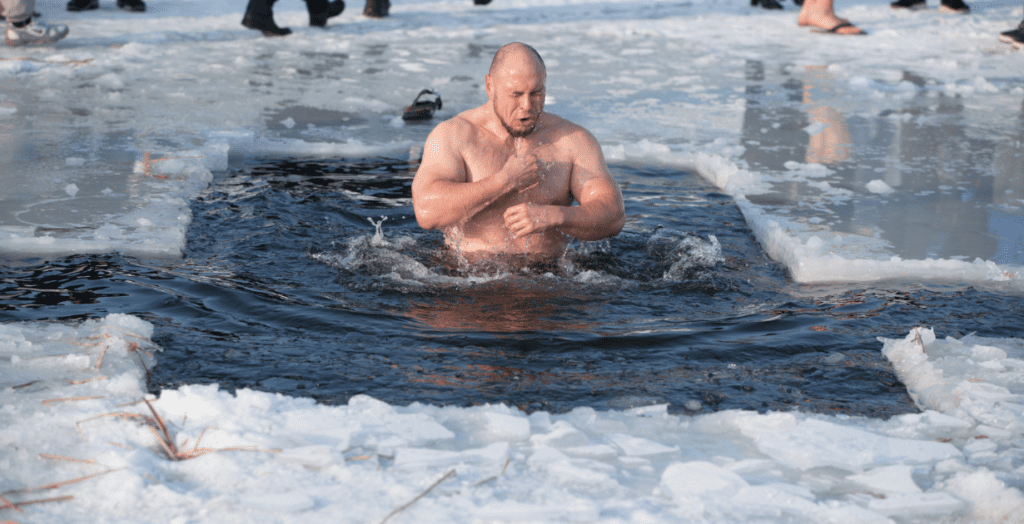
Cold water therapy is a broad label covering cool showers, cold-water swimming and immersion after exercise. These activities expose different amounts of the body to different conditions. A shower at home should not be treated as equivalent to a supervised recovery bath or an open-water swim.
Cold-water immersion in the 2012 Cochrane review meant water below 15 °C. That temperature describes the research category, not a safe target for every reader. Temperature, duration, immersion depth and the person’s health all matter; a colder bath is not automatically a better recovery method.
How much evidence supports relief from muscle soreness?
A Cochrane review included 17 small trials involving 366 participants and found some evidence of lower soreness after exercise compared with passive rest. Study quality was low, protocols varied and adverse-event monitoring was often inadequate. The review did not establish one ideal temperature or duration.
Reduced soreness does not automatically mean damaged muscle has healed faster or that an injury is ready for training. A gym-goer can feel less sore while still needing recovery time. Judge readiness by comfortable movement and normal function rather than using cold exposure to push through a painful session.
Could an ice bath interfere with muscle gain?
Routine cold-water immersion immediately after resistance exercise may conflict with a muscle-building goal. A 2015 study reported reduced muscle adaptations over 12 weeks when post-exercise immersion was used regularly. That result concerns the studied protocol; occasional cooling and cold showers cannot be assumed to have identical effects.
For an Indian gym-goer prioritising hypertrophy, the practical choice is to avoid making an ice bath the default after every lifting session. An athlete facing closely spaced events may value short-term recovery differently. A coach can help weigh the immediate performance goal against longer-term training adaptation.
Are circulation and immunity claims justified?
Cold water initially constricts blood vessels near the skin and can trigger a strong cardiovascular response. Describing that response as universally improved circulation misses the workload placed on the body. A laboratory change in blood flow or stress hormones is not proof of a lasting health benefit.
Cold exposure should not be advertised as a reliable way to prevent infections. Immune-system measurements, illness rates and subjective wellbeing are different outcomes. A strong cold-shock response does not establish a lower risk of infection.
Can cold water therapy improve mental health?
Some people describe feeling alert or refreshed after cold exposure, but a personal feeling is not proof of a treatment effect. Depression and anxiety need appropriate assessment and support. The label “therapy” does not establish that an ice bath treats either condition.
Cold-water activities can also include exercise, social contact and time outdoors, which complicates claims about the water alone. A social-media account cannot isolate those factors or establish a medical benefit. Persistent distress deserves professional help rather than a colder shower or a longer immersion.
How do showers, immersion and open-water swimming differ?
| Method | Important difference | Practical limitation |
|---|---|---|
| Cool shower | Water exposure is variable and usually partial | Research on immersion does not automatically apply |
| Recovery bath | Water temperature and immersion depth can be measured | A measured protocol is not safe for everyone |
| Open-water swimming | Swimming adds exertion and environmental hazards | Currents, weather and exit access change the risk |
| Usual recovery | Meals, fluids, sleep and suitable training load | No specialist cold-water equipment is required |
A comparison between recovery methods should start with the outcome you want: less soreness, better performance or improved health. Those goals are not interchangeable. No verified ₹ prices are included because equipment costs and services vary, and expensive recovery equipment does not establish better results.
What safety precautions matter before cold exposure?
Cold shock can cause involuntary gasping and rapid breathing during sudden immersion. In water, loss of breathing control can create a drowning risk before hypothermia develops. Avoid sudden entry, breath-holding challenges and any attempt to compete over colder temperatures or longer exposure.
Cold-water immersion needs an easy exit and appropriate supervision rather than reliance on willpower. Open-water swimming should not be attempted alone or used as a beginner recovery experiment. Do not submerge the face to practise breath control during cold shock.
Heart conditions, uncontrolled blood pressure, Raynaud’s symptoms or impaired sensation require individual advice before cold exposure. Diabetes can involve complications affecting sensation or circulation, so a generic bath protocol is unsuitable. Pregnant people and children should not follow an adult gym recovery routine without appropriate guidance.
Chest pain, severe breathlessness, faintness or confusion during cold exposure are reasons to stop and obtain urgent help. Persistent shivering, numbness or difficulty moving also require attention. Duration alone does not establish safety.
What should you try before buying an ice bath?
A useful recovery check is to record training load, soreness, sleep and meals for 7 days. Reduce an excessive workload and allow sufficient rest before adding another intervention. A meal with dal, paneer, curd, eggs or another suitable protein food supports nutrition without promising instant recovery.
Morning or Evening Workouts The Science Behind- Which One Win?
Frequently asked questions about Cold Water Therapy
Does cold water therapy reduce muscle soreness?
Cold-water immersion may reduce soreness compared with passive rest after exercise. The 2012 review found benefits at several follow-up times between 24 and 96 hours. The evidence did not identify a universal safe protocol.
Should you take an ice bath after every gym workout?
An ice bath is not necessary after every gym workout. Regular immediate post-lifting immersion may reduce some adaptations when muscle growth is the goal. Recovery choices should match training priorities.
What temperature is best for cold water therapy?
No single temperature is best or safe for everyone. Below 15 °C describes the immersion category in the cited review, not a personal prescription. Health, exposure depth and duration also affect risk.
Does a cold shower provide the same results as immersion?
A cold shower cannot be assumed to reproduce immersion-study results. Water temperature and the area of the body exposed differ. Research findings need to match the method before benefit claims are transferred.
Can cold water therapy cure depression or anxiety?
Cold water therapy is not an established cure for depression or anxiety. A temporary feeling of alertness does not demonstrate treatment effectiveness. Seek appropriate care for persistent mental-health symptoms.
Who should seek advice before trying cold-water immersion?
People with cardiovascular conditions, Raynaud’s symptoms or impaired sensation should seek individual advice. Pregnancy, childhood and diabetes complications also make a generic adult protocol inappropriate. Anyone with concerning symptoms during exposure should stop.
The bottom line
Cold water therapy is an optional recovery method with limited, outcome-specific evidence. Soreness relief does not prove improved immunity, treatment of mental illness or faster injury healing. Routine immersion after lifting may also conflict with muscle growth. Prioritise ordinary recovery habits and suitable safety advice over a fixed temperature or timer.
Sources
Cold-water immersion (cryotherapy) for preventing and treating muscle soreness after exercise — Bleakley and colleagues, 2012.
Post-exercise cold water immersion attenuates acute anabolic signalling and long-term adaptations in muscle to strength training — Roberts and colleagues, 2015.
Cold water immersion: kill or cure? — Tipton and colleagues, 2017.


