Whey vs Casein Protein: Taste and Texture Guide
In the battle of taste and texture between Whey and Casein protein, both proteins exhibit unique characteristics and applications that make them valuable in their own ways.

On this page
- What are whey and casein?
- Is whey always sweeter than casein?
- Why is a casein shake often thicker?
- How can you make preparation more consistent?
- Which works better in Indian meals and snacks?
- Do you need whey after training and casein before bed?
- Can you mix whey and casein together?
- Who should avoid either milk protein?
- Frequently asked questions about Whey vs Casein Protein
- The bottom line
- Sources
For whey vs casein protein, a hypothetical 30 g serving labelled 24 g protein supplies 24 g with either source; taste and thickness depend on the finished formula and how you prepare it. Whey commonly makes a thinner shake, while casein commonly produces a thicker texture. These are useful expectations, not a guarantee about every flavour or brand.
Choose the product you can use comfortably rather than deciding from a “fast versus slow” slogan alone. Someone drinking a shake on the commute may prefer a different consistency from someone making a spoonable dessert. Both choices still need to fit the diet, budget and allergen requirements.
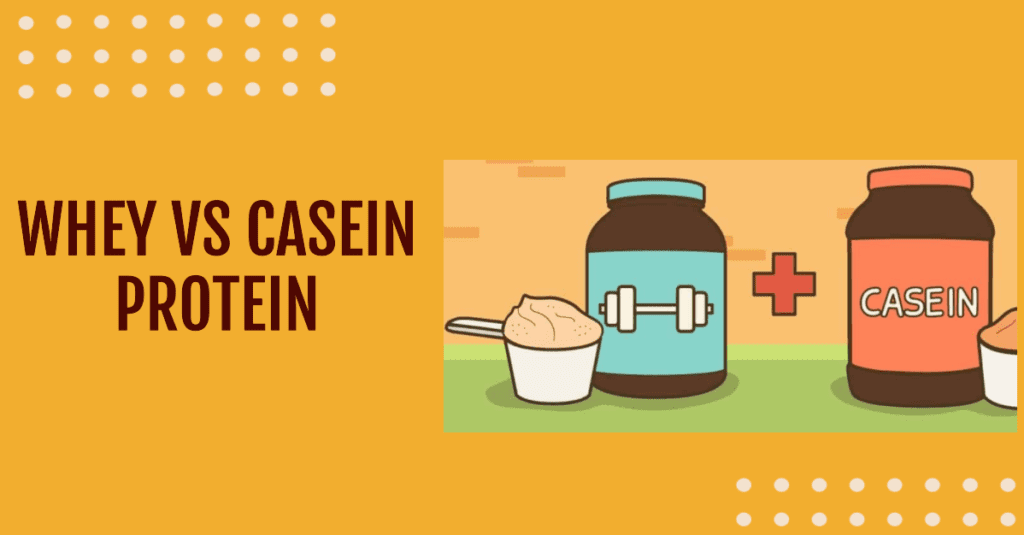
What are whey and casein?
Both are proteins found in milk and provide essential amino acids. Whey is generally digested more quickly than casein, while casein can produce a more sustained amino-acid response. That difference is relevant to research, but it does not tell you which flavour you will enjoy or make one universally better.
Look at the specific ingredients. A tub may contain concentrate, isolate, micellar casein, caseinate or a blend, plus flavouring and other ingredients. The front-of-pack protein name describes only part of the finished product.
Is whey always sweeter than casein?
No, sweetness is mainly a question of formulation and your own perception. A sweetened casein can taste sweeter than an unflavoured whey. Cocoa, flavourings, sweeteners and the mixing liquid all affect the result, so comparing different flavours cannot isolate the effect of the protein source.
Use reviews to identify practical issues such as an aftertaste, but remember that taste is subjective. A flavour loved by another buyer may be unpleasant to you. A trial pack is more useful than a confident category-wide claim that whey wins on taste.
If you usually drink tea without sugar or dislike sweet desserts, start with the flavour and ingredient information. Do not assume “natural” guarantees a mild taste. The choice is about what you can consistently consume, not whether the marketing sounds more wholesome.
Why is a casein shake often thicker?
Casein formulas often produce more body when mixed, making them useful for people who prefer a thick shake or pudding-like preparation. Whey formulas commonly produce a lighter drink. Added thickeners, powder quantity and liquid volume can change either result substantially.
Follow the pack instructions first. If two trial products use different recommended liquid quantities, a direct comparison of shake thickness is not necessarily fair. Note the measured powder weight and liquid amount so you can repeat a preparation you enjoy.
Solubility in a shaker is also different from digestion in the body. A powder taking longer to mix is not proof of a superior overnight nutrient release. Avoid using clumps or a thick texture as a measure of protein quality.
How can you make preparation more consistent?
Put the measured liquid in the shaker, add the labelled powder portion and mix according to instructions. Measure powder in grams where possible rather than using a heaped scoop. Different scoop sizes make both texture and protein comparisons unreliable.
Change one preparation variable at a time. If the shake feels too thick, try the label’s permitted liquid range before switching products. If the flavour feels too strong, note that added liquid changes concentration but does not remove the protein or calories already in the powder.
Milk contributes its own flavour, texture, protein and calories. Water avoids those additions, but does not remove lactose present in the powder. If you log the drink, include every ingredient instead of recording only the serving from the tub.
Which works better in Indian meals and snacks?
For a drink alongside a rushed breakfast, a thinner preparation may be easier to finish. A thicker formula may fit a spoonable snack better. Start with a small test quantity before changing a whole recipe, because protein powders can alter its texture and flavour.
Neither powder turns a snack into a complete meal automatically. If you add fruit, oats, curd or other ingredients, assess the complete dish. A balanced eating routine needs more than protein grams, and a dessert-like shake can contribute substantial calories depending on its additions.
The existing Whey vs Casein Protein comparison remains a further-reading link. The scientific guidance in this rewrite is grounded in the position stands listed below rather than a promise based on taste or marketing.
Must Read 👉 Whey Protein Isolate Vs. Concentrate? Which One is Good 2023
Do you need whey after training and casein before bed?
Those are possible routines, not mandatory assignments. An after-training shake can help when a meal is inconvenient. Casein before sleep has been studied, but research on a particular feeding does not require every trainee to add another shake after dinner.
Check the day’s meals before buying two tubs. If one suitable product covers the practical gap, a second may simply add cost and food intake. Your routine should fit training, work and sleep rather than create more supplement appointments.
Can you mix whey and casein together?
You can combine suitable products if you tolerate them and want the resulting consistency. Add the protein and calories from both measured portions. A blend is optional, not a requirement for a balanced release or proof of better muscle gains.
For a hypothetical half-serving of each of the opening example products, 15 g whey powder supplies 12 g protein and 15 g casein powder supplies another 12 g. The combined 30 g powder provides 24 g labelled protein. This arithmetic does not predict the blend’s digestion rate.
Who should avoid either milk protein?
Neither is vegan, and neither is a workaround for a milk allergy. Lactose intolerance concerns milk sugar and is a separate issue. Check the exact product’s lactose information rather than assuming all isolates or all casein formulas are lactose-free.
If a product repeatedly causes symptoms, stop it and seek appropriate advice. A medical condition or prescribed nutrition plan also needs individual guidance. Choose an alternative from its complete ingredients and allergen information, not only from a plant symbol on the pack.
Frequently asked questions about Whey vs Casein Protein
Which tastes better?
There is no universal winner because flavour and sweetness vary by formula. Try a small pack in your usual mixing liquid.
Is a thicker shake higher in protein?
Thickness does not establish protein content. Read protein grams and serving weight on the label.
Does casein have to be taken at bedtime?
No, bedtime use is optional. Decide from your meals, convenience and tolerance.
Can mixing improve the texture?
A blend may produce a consistency you prefer. Test measured amounts and count the nutrition from both powders.
Which is better for weight loss?
Neither protein name guarantees fat loss. Assess the complete drink and its place in your overall intake.
Are whey and casein safe for milk allergy?
Both are milk proteins and should not be used as a workaround. Lactose-free wording does not make them suitable for a milk allergy.
The bottom line
Compare whey vs casein protein by the actual formula and your preferred preparation. Taste and texture can help you choose a product you will use consistently. Daily food intake matters more than a compulsory whey-after-training or casein-at-bedtime schedule. Keep allergen needs and the complete shake’s nutrition in the decision.
Sources
ISSN position stand: protein and exercise
ISSN position stand: nutrient timing
NIDDK: lactose intolerance and milk allergy


