MuscleBlaze Protein Bar Review: Label and Buying Guide
This comprehensive review explores the delicious and nutritious MuscleBlaze Protein Bar. Learn about its flavors, ingredients, and why it's a popular choice for fitness enthusiasts. Find out everything you need to know before purchasing this protein-packed snack.
On this page
- What does this MuscleBlaze Protein Bar Review cover?
- How much protein does one MuscleBlaze bar provide?
- Does the bar help muscle gain or weight loss?
- What should you check on the label?
- Who needs allergy or medical caution?
- Is a protein bar better than curd, paneer or chana?
- What evidence would make a stronger product review?
- What do the original product graphics show?
- Frequently asked questions about MuscleBlaze Protein Bar Review
- The bottom line
- Sources
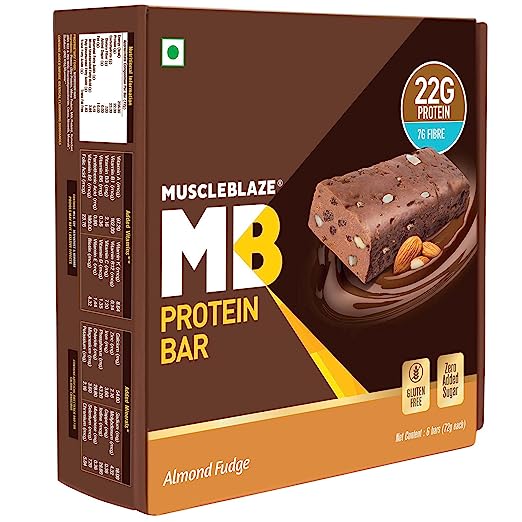
The MuscleBlaze Protein Bar variant linked in this review is marketed as providing 20 g protein per bar; that figure should not be applied to every MuscleBlaze bar. This MuscleBlaze Protein Bar Review assesses the available listing and buying considerations. The article does not claim hands-on taste testing, independent laboratory analysis or verified customer-review research.
What does this MuscleBlaze Protein Bar Review cover?
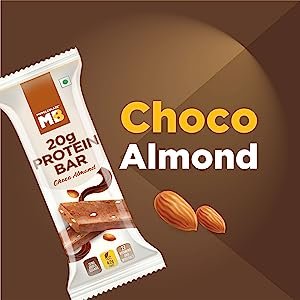
The original product link identifies the 20 g protein Choco Almond variant. A brand can sell bars with different serving sizes, recipes and protein claims. Check the exact pack and flavour before comparing the nutrition panel.
Manufacturer information helps identify the product but is not independent proof of taste, purity or muscle-building results. The original article described a positive customer consensus and superior ingredients without supplying supporting evidence. Those claims should not determine the buying decision.
A label-based assessment can still be useful. The reader can assess convenience, daily intake and allergy suitability.
How much protein does one MuscleBlaze bar provide?
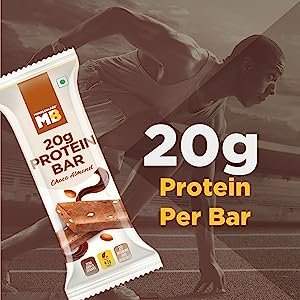
The linked manufacturer page markets this variant with 20 g protein per bar. Confirm the nutrition panel on the purchased pack, because a website and a pack may represent different batches or recipes.
Check serving weight in g and energy in kcal alongside protein. If a pack lists values per 100 g, convert using the actual bar weight. The calculation is: nutrient per bar equals nutrient per 100 g multiplied by bar weight in g, divided by 100.
For example, a hypothetical 60 g bar with 30 g protein per 100 g would provide 18 g protein per bar. That example explains the calculation and is not a MuscleBlaze nutrition claim. A number printed prominently on the front still needs its serving context.
Does the bar help muscle gain or weight loss?
Protein can support muscle maintenance and training adaptation when the wider diet and exercise programme are appropriate. A bar provides one possible food source. Eating the bar without resistance training does not guarantee more muscle.
The ISSN protein position stand gives a general range of 1.4–2.0 g protein per kg body weight per day for most healthy exercising people. For a 70 kg adult, that corresponds to 98–140 g daily. The range is not a prescription for kidney disease, pregnancy or children.
A bar can fit a weight-loss plan when the full serving is included in food intake. A high-protein label does not mean a food is calorie-free or automatically suitable in unlimited amounts. Compare the snack with the food that the bar will replace.
Review ordinary meals before deciding a bar is necessary. Dal, paneer, curd, chana, eggs and other suitable foods can contribute protein. Exact amounts depend on the serving and preparation, so avoid assuming all bowls or brands provide the same grams.
What should you check on the label?
Read the ingredients and allergen statement, not only the front-of-pack protein claim. Check total sugars, added sugars, fat, fibre and energy where declared. A bar may contain sweeteners or sugar alcohols even when added sugar is low or absent.
No added sugar does not automatically mean sugar-free, low-calorie or sweetened only by naturally occurring sugars. The original article made that inference. The current ingredient list is needed to establish the type of sweetener used.
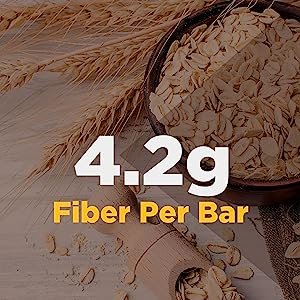
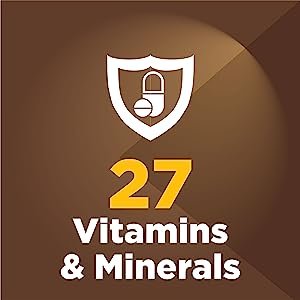
The original graphics mention 4.2 g fibre and 27 vitamins and minerals. Those legacy graphics are reproduced below, but the present pack must confirm the values and serving basis. Fortification should not be presented as evidence that a bar corrects every dietary gap.
Who needs allergy or medical caution?
Check for milk, soy, peanut, tree-nut and other relevant allergens on the exact pack. Do not assume that a vegetarian label means vegan or safe for milk allergy. People with known allergies need the ingredient and cross-contact information.
A gluten-free claim requires confirmation on the current product. Do not infer suitability for coeliac disease from a generic brand description. If the label or manufacturer information is unclear, choose a product whose suitability can be established.
People with diabetes should consider the full carbohydrate serving within their eating and medicine plan. People with kidney disease may need a different protein target. Children and pregnant people should not automatically use adult gym guidance to select a daily protein product.
Some bars may cause bloating or digestive discomfort depending on the ingredients and serving. Try a small amount only when the food is otherwise suitable, and stop when symptoms are troublesome. An allergy is not something to test through repeated exposure.
Is a protein bar better than curd, paneer or chana?
A sealed bar can be convenient while travelling or when refrigeration is unavailable. Curd and paneer need appropriate storage, especially in hot weather. Roasted chana may offer a different portable option when tolerated.
Ordinary foods can offer useful variety, while a bar may solve a specific convenience problem. Neither choice is automatically better for every person. Compare serving size, dietary preference, storage and what is already available.
Use the actual price and protein label to compare value. For a product providing 20 g protein per bar, divide the price per bar by 20 to obtain the price per g protein. No current ₹ price is quoted here because offers and pack sizes change.
What evidence would make a stronger product review?
A useful hands-on review would name the exact product, batch, serving weight and purchase source. Taste and texture comments should come from an actual tasting and be labelled as opinion. Independent product testing would need a traceable report.
Customer ratings need a source, date and relevant variant before they can be summarised. A few favourable comments do not establish a general consensus.

What do the original product graphics show?
The following graphics are legacy product artwork from the original article. Read the current pack before relying on the nutrition or ingredient claims shown in the graphics; the images are not independent testing results.

Also, Read 👉 Mass Gainers A Definitive Guide to Fuel Your Gains
Product listing: MuscleBlaze Protein Bar. Original affiliate link: MuscleBlaze Protein Bar Review on Amazon. Confirm the variant before ordering.
Frequently asked questions about MuscleBlaze Protein Bar Review
Do all MuscleBlaze bars have 20 g protein?
The linked variant is marketed with 20 g protein per bar. Other variants need their own label check.
Is the bar suitable for weight loss?
A bar may fit within an appropriate daily intake. The protein claim alone does not establish a weight-loss benefit.
Is the bar gluten-free?
Check the exact current pack for a gluten-free declaration. A general brand claim is not enough for someone with coeliac disease.
Does vegetarian mean vegan?
Vegetarian and vegan are different categories. Milk-derived ingredients can be compatible with a vegetarian label while unsuitable for vegans or milk allergy.
Does no added sugar mean no sweeteners?
No added sugar does not rule out sweeteners. Read the ingredient list and nutrition panel to understand the full serving.
Has this review tested the taste?
This review has not performed a tasting or laboratory test. Taste preference and product-quality conclusions need evidence beyond a listing.
The bottom line
The linked MuscleBlaze bar offers a manufacturer-declared 20 g protein serving. Convenience may justify the purchase when the exact label, allergens and price fit the reader’s needs. The available evidence does not justify invented tasting results or customer consensus. Treat the bar as an optional food choice within a balanced diet.
Sources
International Society of Sports Nutrition Position Stand: protein and exercise
Dietary Supplements for Exercise and Athletic Performance — NIH ODS


1 comment