Pea Protein Powder: Benefits and Practical Use
On this page
- What is pea protein powder?
- Does it supply the same amino acids as whey?
- Can pea protein support resistance training?
- How much should you add to your meals?
- Is it a high-fibre food or a treatment for blood sugar?
- How can you use it in Indian meals?
- Is pea protein safe for everyone with allergies?
- What should you check before buying?
- Frequently asked questions about Pea Protein Powder
- The bottom line
- Sources
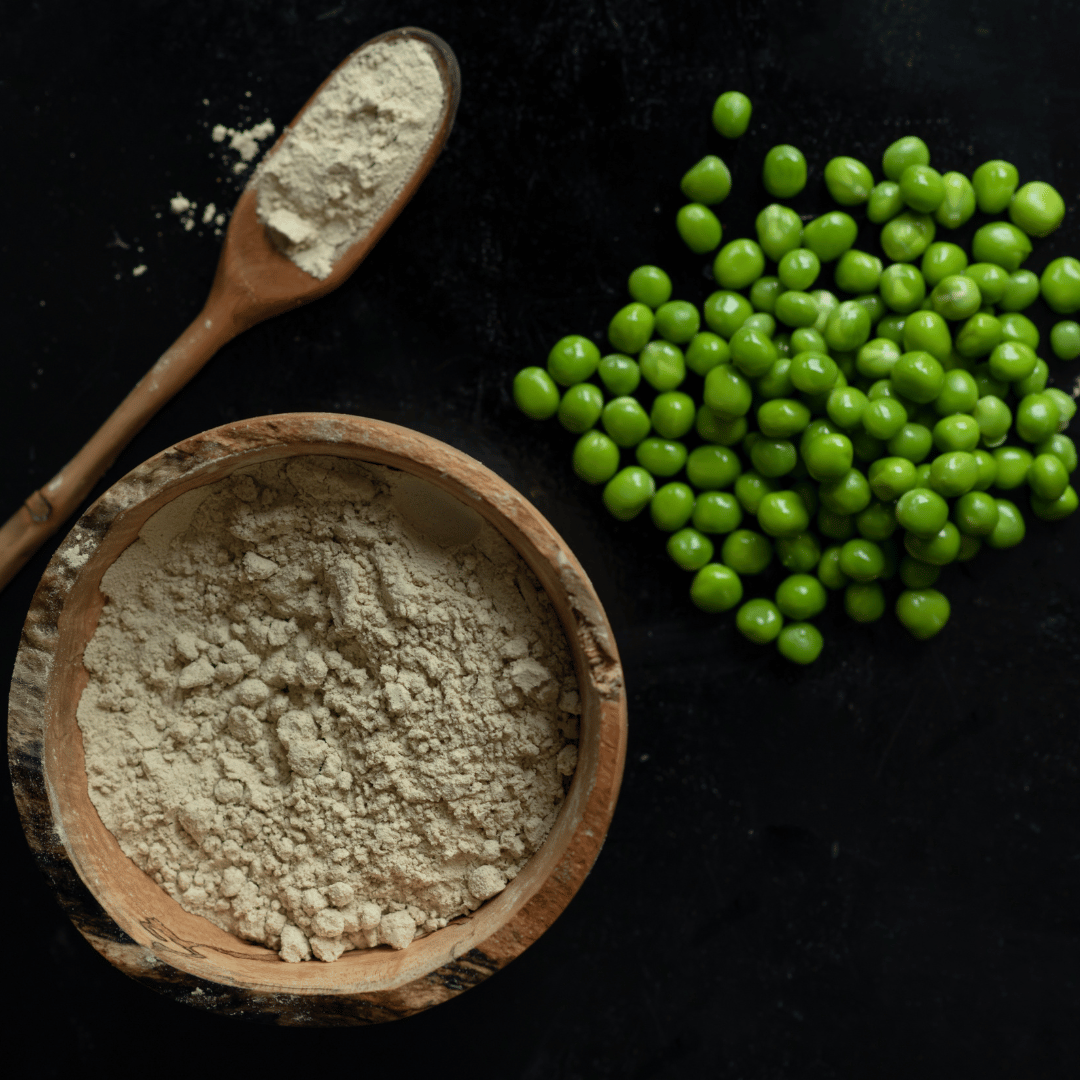
Pea protein powder can fill a protein gap: a hypothetical 30 g serving labelled 24 g protein supplies 24 g protein, but does not provide the same nutrition as 30 g of whole peas. Read the finished product’s label rather than borrowing numbers from a different tub. Fibre, iron, carbohydrate and added ingredients vary with processing and formulation.
For an Indian vegetarian or vegan, the powder is an optional convenience alongside meals. Dal, chana, rajma, soy and other suitable foods still belong in the plan. Start with what you normally eat, identify a repeated protein gap and decide whether powder makes that gap easier to cover.
What is pea protein powder?
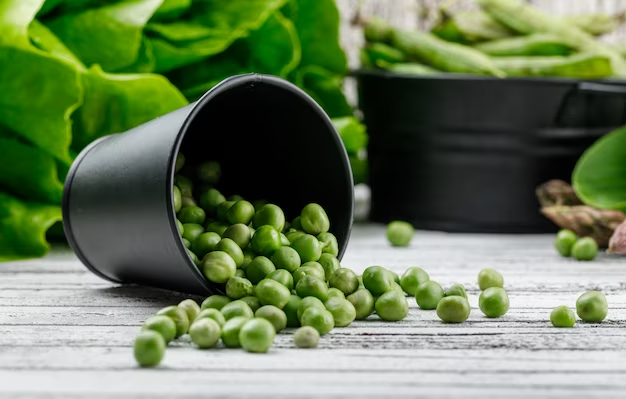
It is a concentrated protein ingredient made from peas, commonly yellow peas. Extracting and concentrating protein changes the balance of nutrients compared with the whole food. A pea protein isolate is therefore different from pea flour, cooked peas or a bowl of dal.
Retail products can contain a single protein source, a blend or added flavours and other ingredients. “Pea protein” on the front does not tell you everything inside. Check serving weight, protein grams, ingredients and allergen information on the exact pack.
Does it supply the same amino acids as whey?
Protein sources differ in their amino-acid proportions. Research comparing plant isolates found pea relatively rich in lysine but lower in methionine; rice had a different pattern. Avoid treating the word “complete” as proof that every powder is nutritionally interchangeable at the same serving size.
A varied diet or an appropriately formulated blend can help provide complementary sources. You do not have to combine every food in a single shaker. Assess the overall eating pattern rather than trying to solve the entire day’s nutrition with one isolated ingredient.
Can pea protein support resistance training?
It can contribute protein to a training diet. A 12-week trial in young men compared a specific pea supplement, whey and placebo during upper-body resistance training. It found no significant strength difference between groups, with a muscle-thickness benefit over placebo clearest in a subgroup of initially weaker participants.
That is evidence with limits, not a guarantee that every retail pea powder matches whey in every person. The study used a particular supplement and training programme. Keep your own progress grounded in suitable exercise, adequate meals and recovery rather than a promise copied from a product description.
How much should you add to your meals?
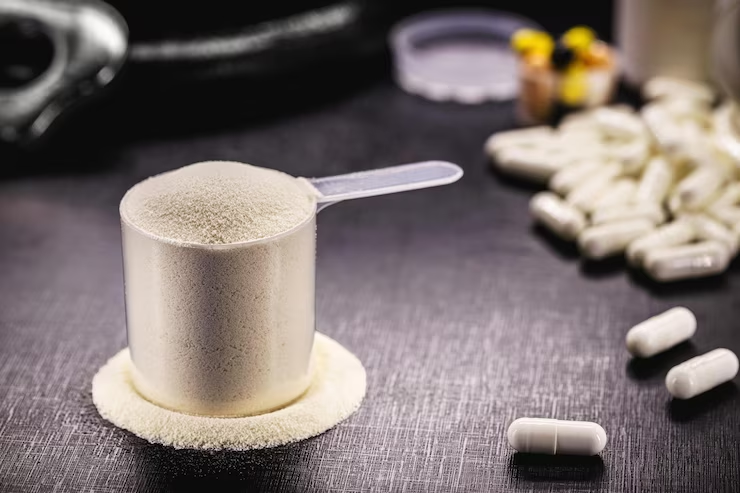
Calculate the gap before the portion. In a hypothetical example, an appropriate daily plan calls for 110 g protein and ordinary meals supply 90 g. The gap is 20 g, which could be filled with suitable food or a measured amount of powder.
If your product supplies 24 g protein per 30 g powder, 25 g powder supplies 20 g of labelled protein. This is arithmetic for that example, not a universal scoop instruction. Other products use different serving weights and protein fractions.
Use reliable food data or labels for normal portions, not an unusually perfect day of eating. Revisit the calculation when work, travel or meal choices change. If a medical condition affects protein requirements, obtain advice suited to your situation before adding a supplement.
Is it a high-fibre food or a treatment for blood sugar?
Do not assume an isolate contains the fibre of whole peas. Look for fibre grams on the panel, and do not describe unspecified amounts of vitamins, minerals or healthy fats as guaranteed benefits. Concentrated protein is useful for protein intake; it is not automatically a multinutrient replacement for legumes.
This guide does not recommend pea powder to treat constipation, diabetes or heart disease. A complete drink may include sugar, fruit or other carbohydrate sources, while medical nutrition needs depend on the person. Assess the whole recipe and continue any treatment or dietary advice from your clinician.
Also, read this https://buythewhey.in/top-whey-protein-rich-foods-for-optimal-health/
How can you use it in Indian meals?
Try a measured portion in a smoothie, porridge or another preparation you already enjoy. Follow the product’s instructions and test a small recipe first. Pea powders can change flavour and thickness, so adding a scoop to a dish does not guarantee an invisible change.
For a vegan drink, use an appropriate mixing liquid and check the complete formula. Dairy curd or milk makes a recipe non-vegan even if its powder is plant-derived. Count every ingredient when assessing the drink’s calories and protein.
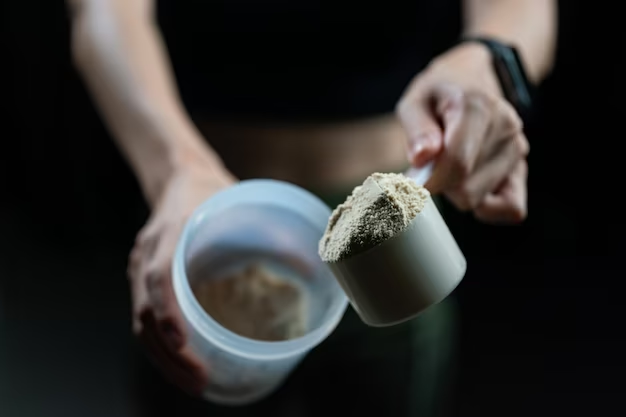
A plain shake is not equivalent to a varied meal. Keep vegetables, fruit, carbohydrates and other suitable foods in the eating routine. Powder can reduce preparation effort, but it should not become the answer to every breakfast, lunch and dinner.
Is pea protein safe for everyone with allergies?
No. Peas can themselves cause allergy; “plant-based” and “hypoallergenic” are not interchangeable. A person with a known pea allergy should avoid pea-derived protein, and someone with another legume allergy should ask their allergy clinician about suitability rather than testing it independently.
Check other ingredients and cross-contact information too. A single-source description is not proof that a finished product is free of milk, soy, gluten or nuts. Serious breathing difficulty or swelling after a food requires urgent medical help.
What should you check before buying?
Compare protein grams, portion size, price and the exact ingredients. The existing pea protein isolate shopping reference is retained, but its inclusion is not independent verification of quality or current availability. Read the present pack and seller details.
A small pack can limit waste if flavour or tolerance is uncertain and you have no known allergy concern. Organic wording alone does not prove better muscle gains, purity or suitability. Persistent symptoms deserve assessment instead of repeatedly buying another flavour.
Frequently asked questions about Pea Protein Powder
Is pea protein powder vegan?
The protein source is plant-derived. Check the complete formula and mixing ingredients before treating a finished drink as vegan.
Is it automatically gluten-free?
Peas do not supply gluten, but that does not settle every finished product’s status. Check its ingredients and relevant declaration if gluten avoidance matters.
Does it contain lots of fibre?
That depends on processing and formulation. Read the fibre line rather than assuming whole-pea nutrition applies to an isolate.
Do I need it straight after training?
Choose timing that helps your meal routine. There is no need to impose a universal 30-minute deadline on every user.
Can it cause digestive discomfort?
Some users may notice symptoms with a product. Stop and seek advice for persistent or severe symptoms rather than assuming plant protein must be easy to digest.
Can children use the adult serving?
An adult gym serving does not establish a child’s needs. Ask a paediatric clinician or dietitian about supplementation for the child’s circumstances.
The bottom line
Use pea protein powder for a specific dietary gap or convenience need. Measure the portion from the actual label and keep varied meals in the plan. Do not transfer whole-pea fibre claims or universal allergy-safety promises to a powder. Judge training benefits in the context of the complete routine.
Sources
Gorissen and colleagues: amino-acid composition of plant isolates
Babault and colleagues: 12-week pea protein resistance-training trial
NHS: food allergy, including peas and other legumes
ISSN position stand: protein and exercise


1 comment