Whey Protein vs. Other Protein: Which Source is Best for You?
Among the plethora of protein options available, whey protein stands out as a popular choice among fitness enthusiasts and athletes.
On this page
- What are the main differences in whey protein vs. other protein sources?
- How does protein quality and bioavailability compare?
- Which protein is best for muscle building and recovery?
- Managing dietary restrictions and lactose sensitivity
- Is whey protein cost-effective in India?
- Frequently asked questions
- Sources
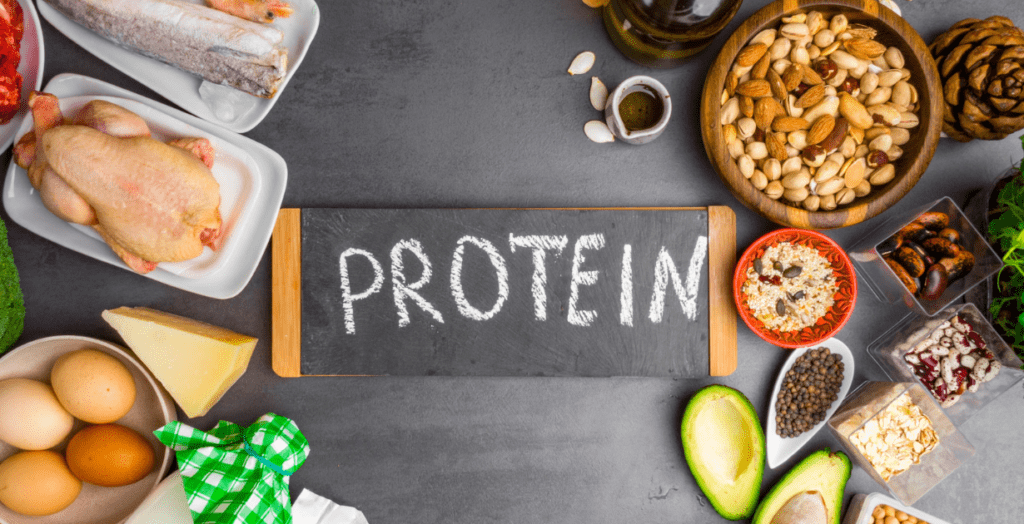
Comparing whey protein vs. other protein sources depends on your specific fitness goals, digestion speed, and dietary restrictions. Whey protein is a fast-digesting, complete protein high in leucine, making it ideal for post-workout recovery. However, plant-based proteins, casein, and egg proteins offer unique benefits for sustained amino acid release or dietary inclusivity.
What are the main differences in whey protein vs. other protein sources?
The primary differences lie in amino acid profiles, digestion rates, and bioavailability. Whey protein is a dairy-derived protein known for rapid absorption, while other sources vary significantly in how quickly the body processes them.
Common Protein Types and Their Characteristics
- Whey Protein: A complete protein derived from milk. It is highly bioavailable and rich in Branched-Chain Amino Acids (BCAAs), especially leucine.
- Casein Protein: Also derived from milk, but it forms a gel in the stomach, leading to slow, sustained amino acid release.
- Plant-Based Proteins: Sources like soy, pea, and hemp. While some are incomplete, combining them can create a full amino acid profile. See our guide on plant-based protein powder benefits.
- Egg Protein: Known for high biological value and a complete amino acid profile.
- Soy Protein: A highly effective plant-based option that is a complete protein.
Nutritional Comparison Table
| Protein Source | Absorption Speed | Amino Acid Profile | Primary Benefit |
|---|---|---|---|
| Whey | Fast | Complete (High Leucine) | Muscle recovery |
| Casein | Slow | Complete | Sustained release |
| Soy | Medium | Complete | Vegan-friendly |
| Pea | Medium | Incomplete (usually) | Hypoallergenic |
How does protein quality and bioavailability compare?
Protein quality is often measured by the Protein Digestibility Corrected Amino Acid Score (PDCAAS). Whey protein and egg protein typically score near 1.0, which is the highest possible value, indicating they provide all essential amino acids in optimal proportions.
When evaluating whey protein vs. other protein, the leucine content is a critical factor for muscle protein synthesis. Research indicates that leucine acts as a molecular trigger for muscle growth. Whey protein generally contains higher concentrations of leucine compared to most plant proteins. If you are choosing between dairy options, you may want to read about whey protein isolate vs concentrate.
Which protein is best for muscle building and recovery?
For immediate post-workout recovery, whey protein is often considered superior due to its rapid digestion. This fast delivery of amino acids helps repair muscle tissue quickly after intense training.
For long-term muscle maintenance, especially during sleep, casein protein may be more effective. The slow release of amino acids helps prevent muscle protein breakdown over several hours. You can calculate your specific needs using our protein intake calculator to ensure you meet your daily targets.
Managing dietary restrictions and lactose sensitivity
Since whey is a dairy product, it contains lactose. People with lactose intolerance may experience bloating or gas. If you have sensitivities, you can opt for whey protein isolates, which have most lactose removed, or switch to plant-based alternatives.
For those following a strict vegan diet, plant proteins like pea, soy, or rice are the standard. While individual plant sources might lack certain amino acids, a varied diet or a blend of plant proteins can fulfill your nutritional requirements. For more details, check out our comparison of chicken vs soya chunks protein.
Is whey protein cost-effective in India?
Whey protein concentrates are generally one of the most affordable ways to consume high-quality protein in bulk. However, prices vary based on purity and brand. If you are on a budget, you can learn more about affordable whey protein in India.
Always check for FSSAI licensing on supplement packaging to ensure quality and safety standards are met in the Indian market. Speak to a doctor or registered dietitian before starting new supplement regimens.
Frequently asked questions
Is whey protein only for bodybuilders?
No. Anyone looking to increase protein intake conveniently can use whey. It is useful for elderly individuals to prevent muscle loss or for people with busy lifestyles who struggle to eat enough whole foods.
Can plant-based proteins provide all essential amino acids?
Yes, if you consume a variety of sources. While a single plant source like wheat might be low in certain amino acids, combining grains with legumes (like rice and dal) creates a complete protein profile.
Are there side effects to whey protein?
Whey is generally safe. However, those with milk allergies or severe lactose intolerance may experience digestive discomfort. If symptoms persist, consult a medical professional.
How much protein do I need daily?
The RDA for a sedentary adult is approximately 0.8g per kg of body weight. However, those engaging in regular resistance training may require 1.2g to 2.0g per kg of body weight. Use our calorie and macro calculator for personalized estimates.
Can I mix different protein sources?
Yes. Mixing whey with casein or blending different plant proteins is a common way to get a mix of fast and slow-digesting amino acids.
Sources
- PubMed: Whey protein and muscle protein synthesis
- NCBI: Protein quality and amino acid profiles
- FSSAI Official Guidelines


