Naked Pea Protein Powder: Protein per Scoop, Benefits and How to Use It

On this page
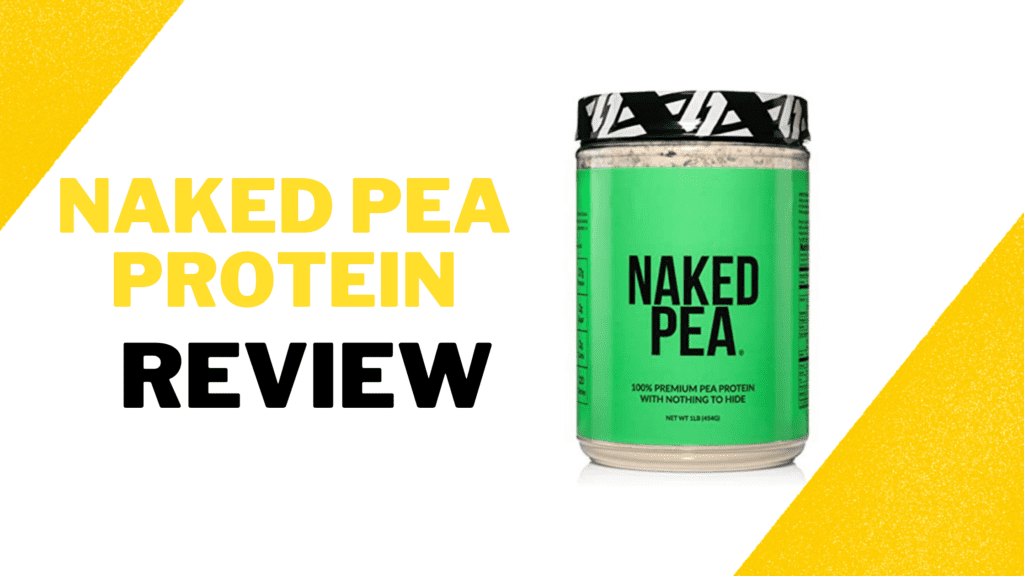
Naked pea protein powder is an unflavoured protein powder made only from yellow peas, with no added sweeteners or flavours. A 30 g scoop of pea protein isolate typically gives about 24 g of protein, and it is free from dairy, soy and gluten. Pea protein contains all nine essential amino acids, but it is lower in methionine than whey, so it works best as part of a varied diet. “Naked Pea” is also the name of a pea protein product from the US brand Naked Nutrition; this guide covers unflavoured pea protein in general.
What is naked pea protein powder?
Naked or unflavoured pea protein powder is a supplement made from yellow split peas (Pisum sativum). The peas are milled into flour, and the protein is separated from the starch and fibre with water and then dried into a powder. “Naked” means the powder contains only pea protein, without sugar, sweeteners, colours or flavours.
How much protein is in pea protein powder?
Pea protein isolate usually contains about 80–85% protein by weight, so a 30 g scoop gives roughly 24–25 g of protein and about 110–120 kcal. Pea protein is also naturally rich in arginine and branched-chain amino acids. Check the nutrition panel, because protein per scoop varies by brand and scoop size.
| Per 30 g scoop (typical) | Pea protein isolate | Whey protein concentrate |
|---|---|---|
| Protein | ~24 g | ~22–24 g |
| Dairy-free | Yes | No |
| Lactose | None | Small amounts |
| Limiting amino acid | Methionine | None |
| Taste | Earthy, slightly nutty | Milky |
What are the benefits of pea protein powder?
Unflavoured pea protein powder has several practical advantages, especially for vegans and people who avoid dairy:
A plant protein with all essential amino acids
Pea protein contains all nine essential amino acids. Its methionine content is lower than in animal proteins, so pairing pea protein with grains, nuts or seeds across the day gives a more complete amino acid intake. Many vegan blends combine pea with rice protein for this reason.
Suitable for dairy, soy and gluten-free diets
Pea protein contains no lactose, dairy, soy or gluten, which makes it a useful option for people with lactose intolerance or a dairy allergy. People with a pea or legume allergy, or a peanut allergy, should check with their doctor first, because legume allergies can cross-react.
Supports muscle gain with resistance training
In a 12-week randomised trial in men doing resistance training, 25 g of pea protein twice a day led to gains in muscle thickness similar to the same dose of whey protein (Babault et al., 2015). Total daily protein intake and consistent training matter more than the type of protein powder.
Also, read Plant-Based Protein vs Whey vs Casein
Helps you feel full
High-protein meals and snacks tend to keep you fuller than high-carbohydrate snacks, so a pea protein shake can help control hunger between meals when you are trying to lose weight.
How to use pea protein powder
Smoothies and shakes
Blend one scoop with banana, a spoon of peanut butter and plant milk or water. Fruit and nut butter also help hide pea protein’s earthy taste.
Breakfast
Stir pea protein into oats, overnight oats, poha or smoothie bowls after cooking to add 20 g or more of protein to breakfast.
Baking and cooking
Replace about a quarter of the flour in pancakes, chillas, muffins or homemade protein bars with pea protein to increase the protein content.
Soups and dals
Unflavoured pea protein can be whisked into soups or dal at the end of cooking for an extra protein boost. Add it slowly to avoid lumps.
How to choose a good pea protein powder
Look for pea protein isolate listed as the first and only ingredient, at least 75–80% protein, and third-party testing for heavy metals. Compare price per gram of protein rather than price per pack, and avoid products with long lists of fillers or added sugar.
Frequently asked questions about naked pea protein powder
Is pea protein powder good for people with allergies?
Pea protein is free from dairy, soy and gluten, so it suits many people with those allergies or intolerances. People who are allergic to peas, other legumes or peanuts should talk to their doctor before using it.
Can pea protein powder help with weight loss?
Pea protein powder can support weight loss by making it easier to eat enough protein and stay full on fewer calories. Weight loss still depends on your total daily calorie intake.
Does unflavoured pea protein taste bad?
Unflavoured pea protein has a mild earthy, slightly nutty taste. Blending it with fruit, cocoa, coffee or nut butter makes it much easier to drink.
Is pea protein as good as whey for muscle building?
Research suggests pea protein can support muscle gain similar to whey when taken in adequate doses with resistance training. Whey has more leucine per gram, so pea protein users may benefit from a slightly larger serving.
Is pea protein a complete protein?
Pea protein contains all nine essential amino acids, but it is relatively low in methionine. Eating grains, nuts and seeds during the day, or choosing a pea and rice blend, covers this gap.
How much pea protein should I take per day?
Most people use one to two scoops (25–50 g of powder) a day to top up protein from food. The right amount depends on your total protein target, which for active adults is often 1.2–2.0 g of protein per kg of body weight per day.
The bottom line
Naked pea protein powder is a clean, dairy-free way to add about 24 g of protein per scoop to your diet. It suits vegans and people with lactose intolerance, supports muscle gain with training, and works in shakes, oats and baking. Pair it with varied foods to balance its lower methionine content.
Sources
- Babault N et al. Pea proteins oral supplementation promotes muscle thickness gains during resistance training. J Int Soc Sports Nutr (2015)
- Jäger R et al. ISSN Position Stand: protein and exercise (2017)
- Melina V et al. Position of the Academy of Nutrition and Dietetics: Vegetarian Diets (2016)