Weight Loss Goals: 12 Practical Tips for Indians
Losing weight can be a challenging process, but it's important to remember that small changes can add up to big results over time.
On this page
For many adults with excess weight, weight loss goals of about 0.5–1 kg per week are more realistic than 1–2 kg per week. Slower progress can still be useful, and the right target depends on starting weight, health and eating habits. Weight loss should come from sustainable changes rather than dehydration, skipped meals or a fixed deadline.
How should you set weight loss goals that fit daily life?
Weight loss goals need a behaviour target as well as a scale target. For example, plan a 15-minute walk after lunch on 5 days this week instead of demanding a particular result by Sunday.
A weight-loss review of dietary interventions found that actual progress often fell below the commonly expected 0.5–1 kg per week. Age, starting weight and the support provided affected results.
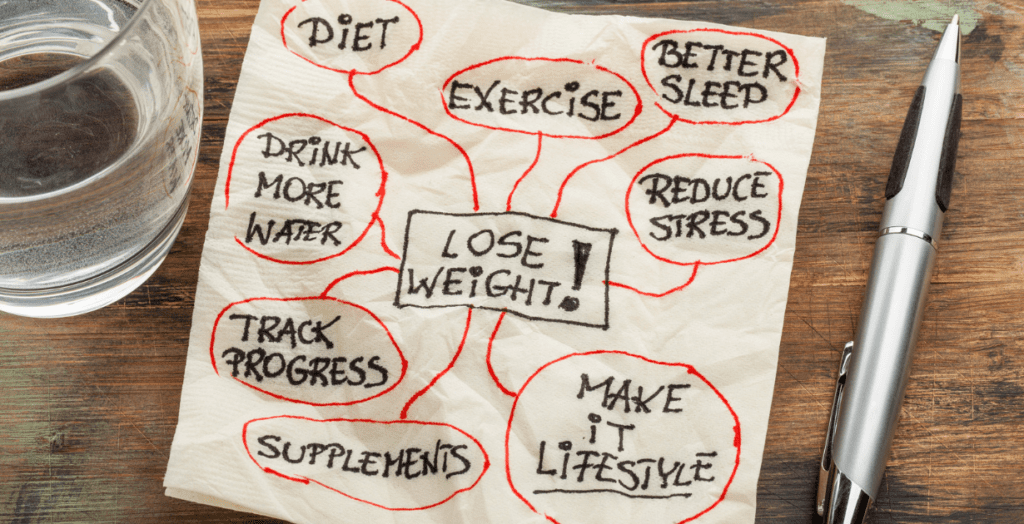
Which 12 habits can help you work towards weight loss goals?
1. What is a realistic starting target?
A useful starting target combines a manageable food change with a movement habit. Choose 2 actions, such as replacing sweetened drinks and walking regularly, then review those actions after 2 weeks. Adults already at a healthy weight may need fitness goals rather than further weight loss.
2. What should a food diary record?
A food diary can show where extra energy enters the day. Record meals, snacks, drinks and cooking oil for 7 days, including weekends.
3. Which Indian foods can supply protein?
Protein foods can be included in each main meal without relying on supplements. Dal, chana, curd, paneer, tofu, eggs and fish offer different options according to dietary preferences. A meal-planning example is 1 bowl of dal alongside vegetables and a measured portion of rice; bowl size and preparation affect intake.
4. Do you need to remove rice and roti?
Rice and roti do not need to disappear from a weight-loss diet. Compare the portions you normally serve, then adjust the whole meal rather than banning carbohydrates. Ragi and other whole grains can add variety, but replacing wheat with ragi does not automatically reduce calories.
5. Which drinks are worth checking first?
Sweetened drinks can add energy without much chewing or lasting fullness. Review tea, coffee, soft drinks and packaged juices across a 7-day diary. Water supports hydration, but drinking a compulsory 8 glasses does not guarantee fat loss; fluid needs change with heat, activity and medical conditions.
6. How can a sleep routine support consistency?
A sleep routine can make meal planning and exercise easier to maintain. Set a regular bedtime and record sleep alongside hunger for 7 nights to identify patterns. Sleep is not a substitute for balanced meals, and persistent insomnia or heavy snoring deserves medical attention.
7. How often should strength training feature?
Strength training helps maintain physical function during a weight-loss plan. WHO recommends muscle-strengthening activities involving major muscle groups on at least 2 days per week for adults. Start with suitable exercises and manageable loads; muscle gain does not create a large, automatic rise in calorie expenditure.
8. How much aerobic activity should you aim for?
Aerobic activity can be built around walking, cycling, swimming or dancing. WHO recommends 150–300 minutes of moderate activity per week for adults, alongside strength work. For example, 30 minutes on 5 days totals 150 minutes; inactive adults can start with shorter sessions and build gradually.
9. How can you respond to stress eating?
Stress eating is easier to address when the trigger is clear. Use a 5-minute pause to notice hunger, tiredness or a difficult emotion before choosing a snack. Stress does not make weight gain inevitable, and ongoing distress may need support beyond a diet plan.
10. Must you eat breakfast to lose weight?
Breakfast is optional for weight management, although breakfast may suit your appetite or schedule. A review of 13 randomised trials did not establish that adding breakfast improves weight loss, and the evidence had important limitations. Skipping breakfast does not automatically slow metabolism; choose a meal pattern that supports adequate nutrition.
11. Who can help you maintain the plan?
Practical support can reduce daily friction. Arrange 1 weekly check-in with a trusted person or a qualified dietitian to review barriers such as office lunches, travel and family meals. Adults taking glucose-lowering medicines should seek advice before substantial food restriction or fasting.
12. How should you judge progress?
Progress is better judged over several weeks than from 1 weigh-in. Use consistent weighing conditions and consider strength, energy and clothing fit alongside weight. Changes in salt intake, bowel contents and menstrual cycles can affect the scale without representing a matching change in body fat.
How can familiar Indian meals be adjusted?
| Usual situation | Practical adjustment | What to remember |
|---|---|---|
| Tea with several snacks | Choose 1 planned snack and review added sugar | The whole day’s intake matters |
| Rice or roti with little protein | Include dal, chana, curd, tofu or another protein food | Portions and cooking oil still count |
| Vegetables cooked with freely poured oil | Measure cooking oil during a 7-day diary | Home-cooked food can still be energy dense |
| A very large evening meal | Plan meals that match your hunger and schedule | No single meal timing suits everyone |
Morning or Evening Workouts The Science Behind- Which One Win?
Frequently asked questions about weight loss goals
Can you lose 5 kg in one month safely?
A 5 kg monthly target is too aggressive for many adults and should not be a routine promise. Early scale changes may include water rather than fat. A clinician can assess a suitable target when weight loss is medically indicated.
Can rice fit into weight loss goals?
Rice can fit into weight loss goals when the overall meal and daily intake are appropriate. Serve rice with vegetables and a protein food such as dal or curd. No fixed gram amount suits every adult.
Does drinking more water burn body fat?
Water does not directly melt or burn body fat. Replacing a sweetened drink with water can reduce calorie intake. Adults with prescribed fluid restrictions should follow their clinician’s advice.
Do you need whey protein for weight loss?
Whey protein is optional rather than a weight-loss requirement. Food can supply protein, and supplements still contribute calories. Milk allergy requires avoiding whey, while lactose tolerance varies by product and person.
Does missing breakfast stop weight loss?
Missing breakfast does not automatically stop weight loss. Breakfast studies have not established a universal weight-loss advantage from adding the meal. Adults whose medication requires food should follow their prescribed meal schedule.
Who should avoid following a generic weight-loss plan?
Children, pregnant people and adults with eating-disorder symptoms need individual guidance rather than generic weight-loss targets. Kidney disease, unexplained weight loss and medicines affecting blood glucose also require personalised advice.
The bottom line
Weight loss goals work best when the target matches your health and daily routine. About 0.5–1 kg per week is a common planning range for adults with excess weight, but slower progress is not failure. Build familiar meals, regular activity and practical support into the plan. Review changes over time and seek individual advice when medical conditions or restrictive eating are involved.
Sources
Finkler and colleagues: Rate of weight loss can be predicted by patient characteristics and intervention strategies — research on expected versus observed weight-loss rates.
Sievert and colleagues: Effect of breakfast on weight and energy intake — systematic review of randomised trials.
WHO: Physical activity — adult aerobic and muscle-strengthening recommendations.


