Whey Protein Buyer’s Guide: Compare Before Buying

On this page
- What should you decide before comparing brands?
- How can you compare protein content fairly?
- Which whey form is worth paying for?
- How should dietary restrictions change the shortlist?
- How do you calculate value for money?
- What testing claims should you verify?
- What should you check before the first serving?
- Frequently asked questions about whey protein buyer’s guide
- The bottom line
- Sources
A whey protein buyer’s guide should start with the label: a hypothetical 1 kg pack containing 24 g protein per 30 g serving supplies about 800 g of labelled protein. That calculation lets you compare value, not predict how quickly you will look muscular. No tub can promise a deadline for getting “ripped”.
Before buying in India, decide what the supplement needs to do. Is breakfast short on protein, is a post-training meal difficult, or are you buying because everyone at the gym has a shaker? The first two are practical reasons to investigate; the last does not establish that you need powder.

What should you decide before comparing brands?
Start with a realistic food routine and a suitable protein plan. Include the portions of dal, curd, paneer, soy, eggs, meat or fish you actually eat. Estimate their contribution using reliable food information or labels rather than assuming every meal supplies the same amount.
Then identify the gap the product should fill. If your meals already meet the plan, you can spend the money on other priorities. A gym membership, useful coaching or making regular meals easier may solve the actual constraint better than another supplement.
Separate the goal of buying protein from changing body composition. A shake can add protein, but a leaner appearance also depends on the wider diet and training. Buying isolate does not by itself create fat loss, and buying a larger tub does not accelerate muscle development.
How can you compare protein content fairly?
Read both serving weight and grams of protein. A 30 g scoop containing 24 g protein is 80% protein by weight; a 40 g scoop containing 28 g is 70%. The second serving gives more protein in absolute terms, but the first has a higher labelled protein fraction. Both examples are hypothetical.
Check calories, carbohydrate and fat separately. Compare dry powder with dry powder rather than a product prepared with milk against one prepared with water. Milk, fruit and other additions change the final drink and should be counted in your plan.
Do not assume the raw whey ingredient’s advertised percentage describes the complete flavoured product. Read the panel for the product and flavour you will buy. If the serving information is unclear, ask the manufacturer rather than estimating from the front label.
Which whey form is worth paying for?
Concentrate, isolate and hydrolysate are different forms of whey. Isolate generally contains less lactose and a higher protein proportion as an ingredient than concentrate. Hydrolysate has undergone processing that breaks down some protein, but that does not make it a compulsory upgrade for ordinary gym use.
Compare the finished product, current price and your tolerance. A suitable concentrate can be a practical choice for someone who tolerates it. A more expensive form deserves the extra spend only if its actual features solve a need you have, rather than because it sounds more advanced.
Do not describe lactose or fat as “impurities” that automatically make a formula poor quality. Their relevance depends on the amount and your needs. What matters is an accurately understood label and a product you can use comfortably.
How should dietary restrictions change the shortlist?
Whey is milk-derived and not vegan. If you avoid all animal products, choose a suitable plant protein and check the complete ingredients. Someone who follows a dairy-vegetarian diet may use an appropriately labelled whey formula.
Lactose intolerance is different from milk allergy. An isolate is not automatically lactose-free, and a lactose-free product can still contain milk protein. A milk allergy rules out using whey as a workaround; changing from concentrate to isolate does not remove that issue.
Check other relevant ingredient and allergen information too. “Unflavoured” does not establish suitability for every restriction. If a health condition affects your protein needs, use advice from your clinician before deciding how much supplement to add.
How do you calculate value for money?
Use the amount of labelled protein in the whole pack. In the opening example, 1,000 g multiplied by 0.8 gives about 800 g protein. If that hypothetical pack costs ₹2,400, its cost is ₹3 per gram of labelled protein, or ₹75 for 25 g. These are example prices, not current market quotes.
Repeat the calculation for another product using its own pack size and panel. Include delivery and check the actual selling price rather than the discount percentage. A tub promoted at half price is not necessarily the cheaper way to obtain the same amount of protein.
This arithmetic cannot confirm authenticity, taste or laboratory composition. It is one shopping filter. A small trial pack can reduce the risk of buying a large quantity you dislike or cannot tolerate.
What testing claims should you verify?
Treat a certification claim as something to check. NSF Certified for Sport provides a product search directory; use the exact product details to confirm a claim rather than assuming a brand logo covers every formula. A listing should match what you intend to buy.
Do not collapse all testing into the word “purity”. Read what a certification or report actually covers and whether it applies to the relevant product or batch. A screenshot with no identifiable source is weaker evidence than a verifiable record from the organisation making the claim.
“Grass-fed” describes a sourcing claim, not automatic proof of superior muscle gains or absence of every unwanted substance. Reviews can help you judge flavour and mixability, but star ratings do not independently verify protein content. Keep those types of evidence separate.
What should you check before the first serving?
Confirm the seller, invoice, seal, batch and expiry information. Follow the manufacturer’s verification process where available and contact the seller or manufacturer about inconsistencies. Keep the packaging until you are satisfied that the delivered product matches the order.
Measure powder according to the label and fit it into meals. Do not mistake a daily total-protein target for grams of whey powder. You also do not need to force an immediate post-workout shake when your meal schedule already works.
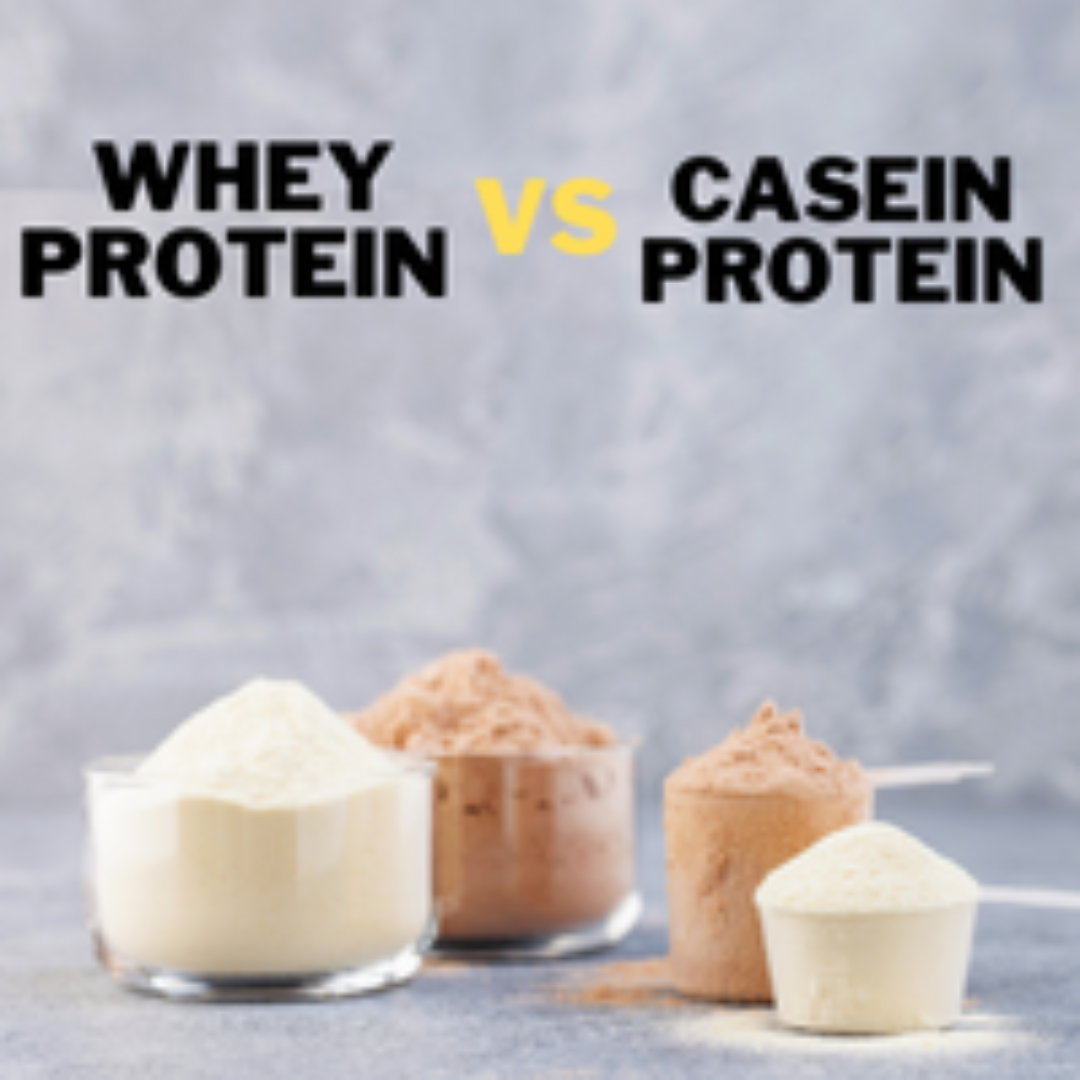
Also, read this Whey Protein vs. Casein Protein: The Big Question?
Original video reference: Get Ripped in Record Time. The video title is not a verified promise or the basis of this buying advice.
Follow our Youtube channel https://www.youtube.com/@BuyTheWhey
Frequently asked questions about whey protein buyer’s guide
Is more protein per scoop always better?
A larger scoop can contain more protein without a higher protein fraction. Compare serving weight, protein grams and the amount you actually need.
Does isolate make you lose fat faster?
The product name does not establish a faster fat-loss result. Account for the finished formula and the rest of your diet.
Is grass-fed whey automatically superior?
A sourcing claim does not prove better muscle gains. Look for evidence supporting the specific claim that matters to your purchase.
Can I trust customer reviews for purity?
Reviews can describe a customer’s experience of taste or delivery. They cannot independently establish a batch’s composition or testing status.
Should I buy the largest pack?
Only after you know it suits your routine, taste and tolerance. Compare unit value and expiry rather than choosing size alone.
How quickly will whey make me ripped?
There is no reliable deadline a tub can promise. Training, food intake, starting point and consistency affect progress.
The bottom line
Use this whey protein buyer’s guide to compare actual labels, costs and claims. Choose a formula that fits your diet and tolerance before paying for upgrades. Verify the seller and relevant testing records. Buy whey for a practical dietary gap, not a promised transformation deadline.
Sources
ISSN position stand: protein and exercise
ISSN position stand: nutrient timing
NIDDK: lactose intolerance and milk allergy
NSF Certified for Sport: certified product search