A Comprehensive Guide to Whey Protein Powder: Everything You Need to Know

Introduction
Whey protein is a popular dietary supplement among athletes, bodybuilders, and fitness enthusiasts due to its numerous health benefits. It contains essential amino acids that the body requires for muscle growth, repair, and recovery. However, like any dietary supplement, whey protein may have side effects that can be detrimental to one’s health. In this article, we will explore the potential side effects of whey protein, who is at risk, how to minimize the risks, alternative protein sources, and debunking common myths.
What is Whey Protein?
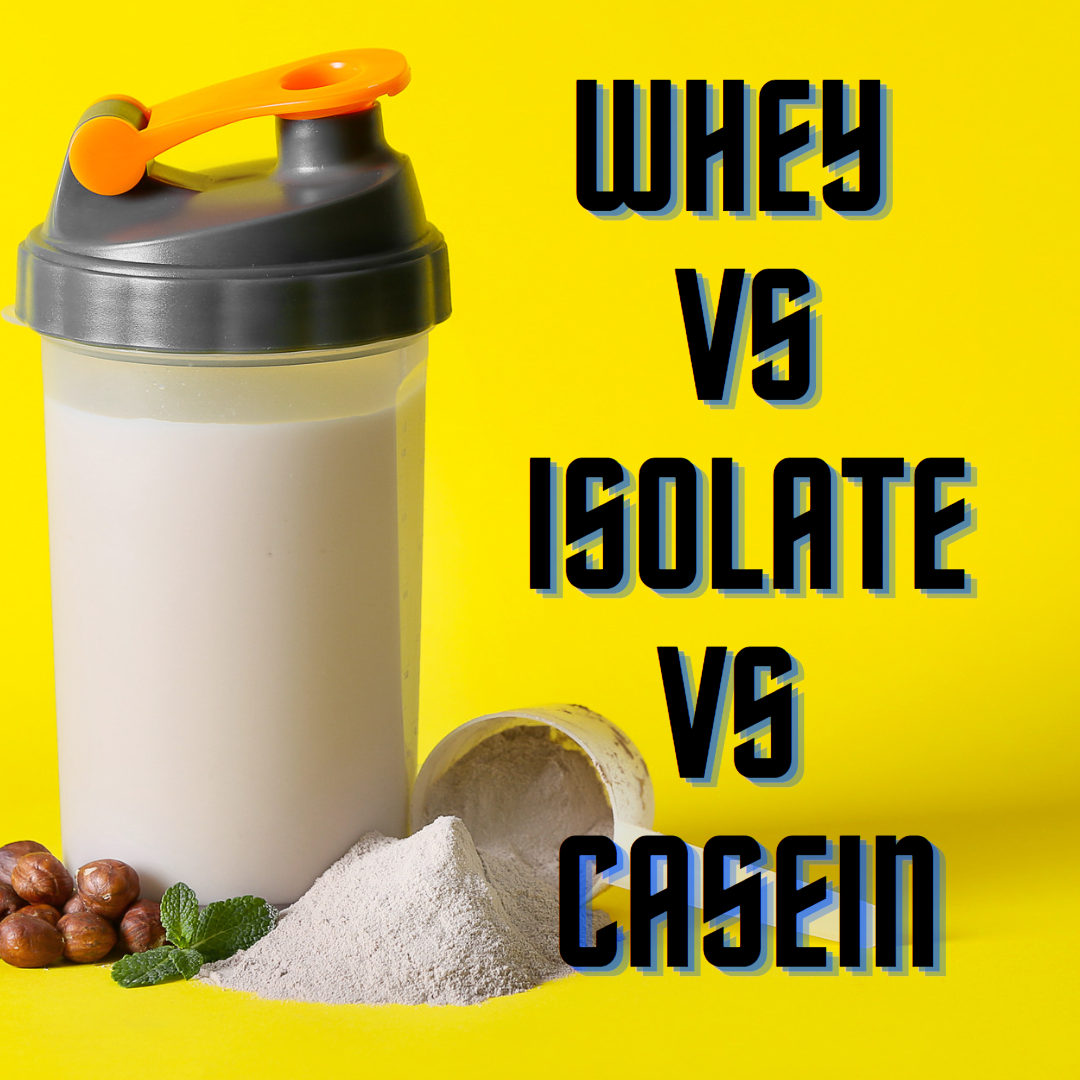
Whey protein is a dietary supplement derived from milk. It is a byproduct of the cheese-making process, where whey is separated from the curd. Whey protein is a complete protein that contains all the essential amino acids required by the body. Whey protein is available in different forms, including whey protein concentrate, isolate, and hydrolysate. Whey protein concentrate contains a lower percentage of protein, while isolate and hydrolysate contain a higher percentage of protein.
Nutritional Benefits of Whey Protein
Whey protein is a popular dietary supplement due to its numerous health benefits. It is an excellent source of protein and essential amino acids required for muscle growth, repair, and recovery. It also helps to boost the immune system, lower blood pressure, and reduce inflammation.
Common Side Effects of Whey Protein
- Nausea and digestive issues: Consuming high amounts of whey protein can cause gastrointestinal distress, including bloating, gas, cramps, and diarrhea.
- Headaches and migraines: Some individuals may experience headaches and migraines due to the high levels of tyramine in whey protein.
- Skin irritation and acne: Whey protein can cause skin irritation and acne in some individuals due to the high levels of hormones and growth factors.
- Increased thirst and dehydration: Whey protein can increase thirst and dehydration due to its high sodium content.
- Allergic reactions: Some individuals may have an allergic reaction to whey protein, which can cause symptoms such as hives, itching, and difficulty breathing.
Serious Side Effects of Whey Protein Powder
- Liver damage: Consuming high amounts of whey protein can lead to liver damage, especially in individuals with pre-existing liver conditions.
- Kidney damage: Consuming high amounts of whey protein can also cause kidney damage, especially in individuals with pre-existing kidney conditions.
- Increased risk of heart disease: Consuming high amounts of whey protein can increase the risk of heart disease due to its high levels of saturated fat and cholesterol.
- Increased risk of osteoporosis: Consuming high amounts of whey protein can also increase the risk of osteoporosis due to its high levels of sulfur-containing amino acids.
Who is at Risk for Side Effects?
- People with pre-existing medical conditions: Individuals with pre-existing liver or kidney conditions should avoid consuming high amounts of whey protein as it can exacerbate their condition.
- Athletes and bodybuilders who consume high amounts of protein: Athletes and bodybuilders who consume high amounts of protein should be careful when consuming whey protein as it can lead to adverse side effects.
- Pregnant and breastfeeding women: Pregnant and breastfeeding women should avoid consuming whey protein as it can affect the developing fetus or infant.
- Children and adolescents: Children and adolescents should avoid consuming whey protein as it can interfere with their growth and development.
How to Minimize Whey Protein Powder Side Effects
- Proper dosage and frequency: Individuals should consume whey protein powder in moderation and according to the recommended dosage.
- Choosing the right type of whey protein: Individuals should choose the right type of whey protein powder based on their dietary needs and fitness goals.
- Whey protein isolate is the purest form of whey protein powder and is ideal for individuals who are lactose intolerant or have digestive issues.
- Whey protein concentrate is a more affordable option and is suitable for individuals who do not have any dietary restrictions.
Monitoring for allergic reactions
Individuals should monitor themselves for any allergic reactions to whey protein powder and seek medical attention immediately if they experience any symptoms.
Drinking plenty of water
Individuals should drink plenty of water when consuming whey protein powder to avoid dehydration and minimize the risk of kidney damage.
Incorporating a balanced diet
Individuals should incorporate a balanced diet that includes a variety of protein sources such as lean meats, fish, eggs, nuts, and legumes.
Debunking Common Myths About Whey Protein Powder
- Myth: Whey protein powder can make you gain weight.
Fact: Consuming whey protein powder in moderation as part of a balanced diet can aid in weight loss and muscle gain.
- Myth: Whey protein powder is only for bodybuilders and athletes.
Fact: Whey protein powder is beneficial for anyone looking to improve their overall health and fitness, including individuals who are looking to lose weight, increase muscle mass, or maintain a healthy weight.
- Myth: Whey protein powder is harmful to the kidneys.
Fact: Consuming whey protein powder in moderation and staying hydrated can minimize the risk of kidney damage.
- Myth: All whey protein powders are the same.
Fact: There are different types of whey protein powders, including whey protein isolate, concentrate, and hydrolysate, that offer varying levels of protein and quality.
FAQs
Conclusion
Whey protein powder is a popular dietary supplement that offers numerous health benefits. However, it is important to be aware of the potential side effects and risks associated with consuming high amounts of whey protein powder. Individuals can minimize these risks by consuming whey protein powder in moderation, choosing the right type of whey protein, monitoring for allergic reactions, staying hydrated, and incorporating a balanced diet.

- Where to Find the Best Plum Cake in Bangalore for Christmas & New Year - November 23, 2025
- Water Intake Calculator: Everything You Need to Know - September 7, 2024
- 5 Weight Gain Drink Recipes for Healthy Bulking - March 29, 2024
You also Like this
 Whey Protein Isolate vs Concentrate? Which One is Good?
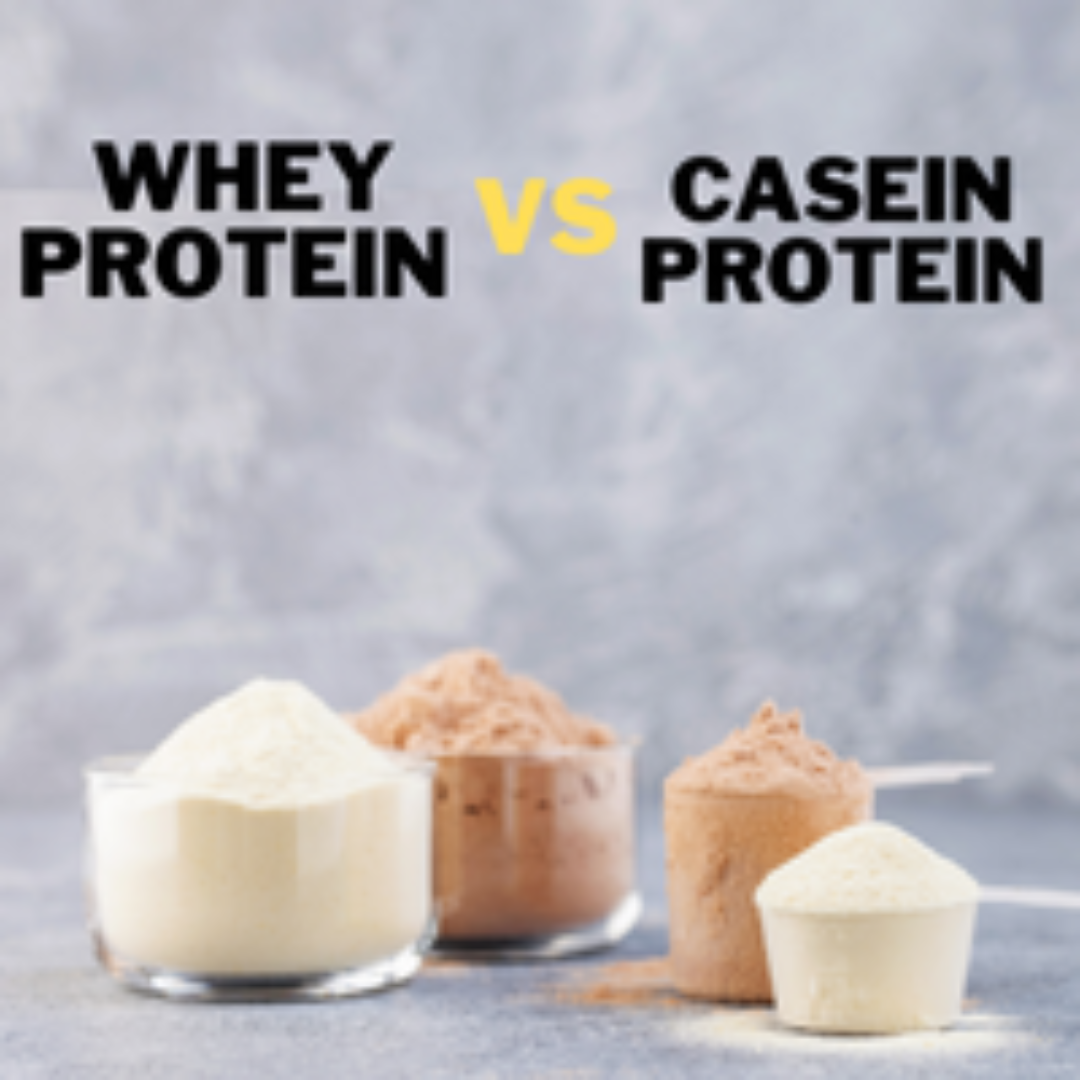
 Whey vs Casein Protein: The Battle of Taste and Texture
 The Ultimate Guide to Choosing Whey Protein
 Elevate Your Fitness Game With Whey Protein
 Whey Protein vs. Other Protein Sources: Unraveling the Protein Puzzle
 Can Whey Protein Increase Weight? Debunking the Myths and Revealing the Truth