Can Whey Protein Increase Weight?
"Discover the truth about whey protein and weight gain. Separate fact from fiction and optimize your fitness journey with whey protein."

On this page
- Why can whey protein increase weight?
- Will the extra weight be muscle or fat?
- Can you use whey while trying to lose weight?
- How much whey should you take?
- Does mixing whey with milk change the result?
- Which type should you choose, and who should avoid it?
- Frequently asked questions about can whey protein increase weight
- The bottom line
- Sources
Yes, whey protein can increase weight: a shake labelled 120 kcal adds 120 kcal to your day when you drink it on top of your usual meals. That number is an example, not a standard scoop value. Whether your weight rises depends on your overall intake, activity and health, not simply on the word “whey” on the tub.
For an Indian gym-goer, the useful question is where the shake fits alongside dal, roti, rice, eggs, paneer and snacks. It can fill a protein gap, but it cannot decide whether you gain muscle or body fat. Start with your goal and your normal meals before choosing a serving.
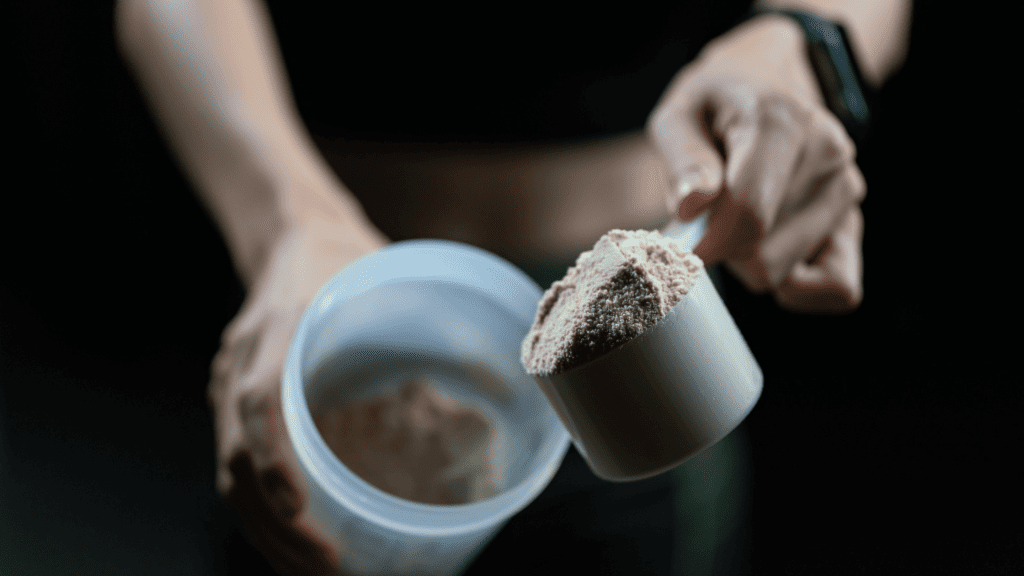
Why can whey protein increase weight?
Whey provides energy as well as protein. A sustained calorie surplus can increase body weight; adding a shake without changing anything else can contribute to that surplus. Replacing another food with a shake has a different effect because the change depends on the calories in both.
For example, adding our hypothetical 120 kcal shake after dinner increases intake by 120 kcal. Replacing a hypothetical 250 kcal snack with it reduces intake by 130 kcal. Neither calculation predicts an exact number of kilograms: appetite, activity and the rest of your diet can change too. Use your own labels rather than copying these illustrative figures.
Will the extra weight be muscle or fat?
A scale cannot tell you what changed. Muscle gain requires an appropriate training stimulus, enough food and recovery over time. Drinking whey without resistance training does not turn every extra calorie into muscle, and a large surplus can add body fat.
Record your weight under similar conditions and compare weekly averages instead of reacting to one reading. Pair that trend with waist measurements, gym performance and how your clothes fit. A sudden change after a salty meal or a different weighing time is not proof that the latest scoop caused fat gain.
Can you use whey while trying to lose weight?
Yes, if it fits your planned intake. Treat the shake as food with calories, not as a fat-burning product. It may be convenient when your meals fall short on protein, but adding it to an already sufficient diet gives you more to account for.
Keep vegetables, fruit and varied meals in the plan. Replacing breakfast and lunch with shakes makes it harder to maintain a balanced eating routine. If you are hungry after a shake, consider a proper meal rather than repeatedly adding powder and hoping it will solve the problem.
How much whey should you take?
Work out the protein gap first. The ISSN position stand gives a general total protein range of 1.4–2.0 g/kg/day for healthy exercising adults; this includes food and supplements. It is not an instruction to obtain that amount from whey, and it is not a personalised prescription for someone with a medical condition.
List the portions you usually eat and estimate their protein using reliable food data or labels. Then choose enough powder to fill the remaining gap. Scoops differ between products, so read grams of protein per serving and weigh the powder if the scoop measurement is unclear.
Does mixing whey with milk change the result?
Water adds no food calories. Milk adds its own calories and protein; banana, oats, peanut butter and honey add more. A simple shake and a large homemade smoothie therefore need different entries in your food log, even when both contain one serving of whey.
If you want a more substantial drink, try these smoothies or shakes and count all the ingredients. You can also use whey protein in the kitchen. Adding powder to a recipe still changes the nutrition of the complete dish.
Which type should you choose, and who should avoid it?
Whey comes from milk. Soy and pea powders are plant proteins, not plant-derived whey. Concentrate, isolate and hydrolysate describe different processing, but the finished label matters more than a broad percentage claim about the raw ingredient.
An isolate may contain less lactose than a concentrate, but do not assume every isolate is lactose-free. Mixing powder with water does not remove lactose already in it. Milk allergy is a separate issue: whey remains a milk protein, including in isolate form.
Compare the serving label, ingredients, allergen information and seller details. The existing whey product listing is a shopping link, not evidence that every product there suits your goal. If you have kidney disease or a prescribed protein restriction, ask your treating clinician before adding a supplement.
Frequently asked questions about can whey protein increase weight
Does whey cause belly fat?
It does not selectively send fat to your belly. A sustained excess of calories can contribute to fat gain, so assess your complete diet and weight trend.
Can I take whey without going to the gym?
You can use it to fill a dietary protein gap. Without a resistance-training stimulus, do not expect the shake alone to build substantial muscle.
Will stopping whey make me lose muscle?
Stopping a supplement does not automatically remove muscle. Replace its protein through meals if needed and continue suitable training and recovery.
Is whey a mass gainer?
A whey product and a mass-gainer formula are not interchangeable. Compare total calories, protein and carbohydrate per serving rather than judging by the front label.
Should I take whey on rest days?
Decide from that day’s meals and protein needs. A rest day does not require a shake if your food already covers the gap.
Should I double my scoops to gain weight faster?
More powder is not automatically a better plan. Check total calories and protein first, then adjust meals and training consistently rather than chasing rapid scale changes.
The bottom line
Whey can contribute to weight gain when it adds to a sustained calorie surplus. It can also fit a weight-loss plan when its calories are accounted for. Choose the amount from your food intake and protein gap, then judge progress over time. The shake is one part of your diet, not a guarantee of muscle gain or fat loss.
Sources
ISSN position stand: protein and exercise
NIDDK: factors affecting weight and health


