Ice Barrel Therapy: Benefits, Risks and Recovery
"Ice Barrel Therapy: A popular holistic method for improving health and well-being."
On this page
- What is ice barrel therapy?
- Does ice barrel therapy reduce muscle soreness?
- Can ice barrel therapy interfere with muscle growth?
- What temperature and duration are safe?
- Who should avoid unsupervised ice barrel therapy?
- Does ice barrel therapy improve immunity or mental health?
- Frequently asked questions about Ice Barrel Therapy
- The bottom line
- Sources
Ice barrel therapy uses cold-water immersion, typically below 15°C in recovery research, and may reduce post-exercise soreness without providing a proven general wellness treatment. Cold immersion carries safety risks and may conflict with muscle-building goals when used routinely after lifting. The decision should depend on the purpose, health history and supervision.
What is ice barrel therapy?
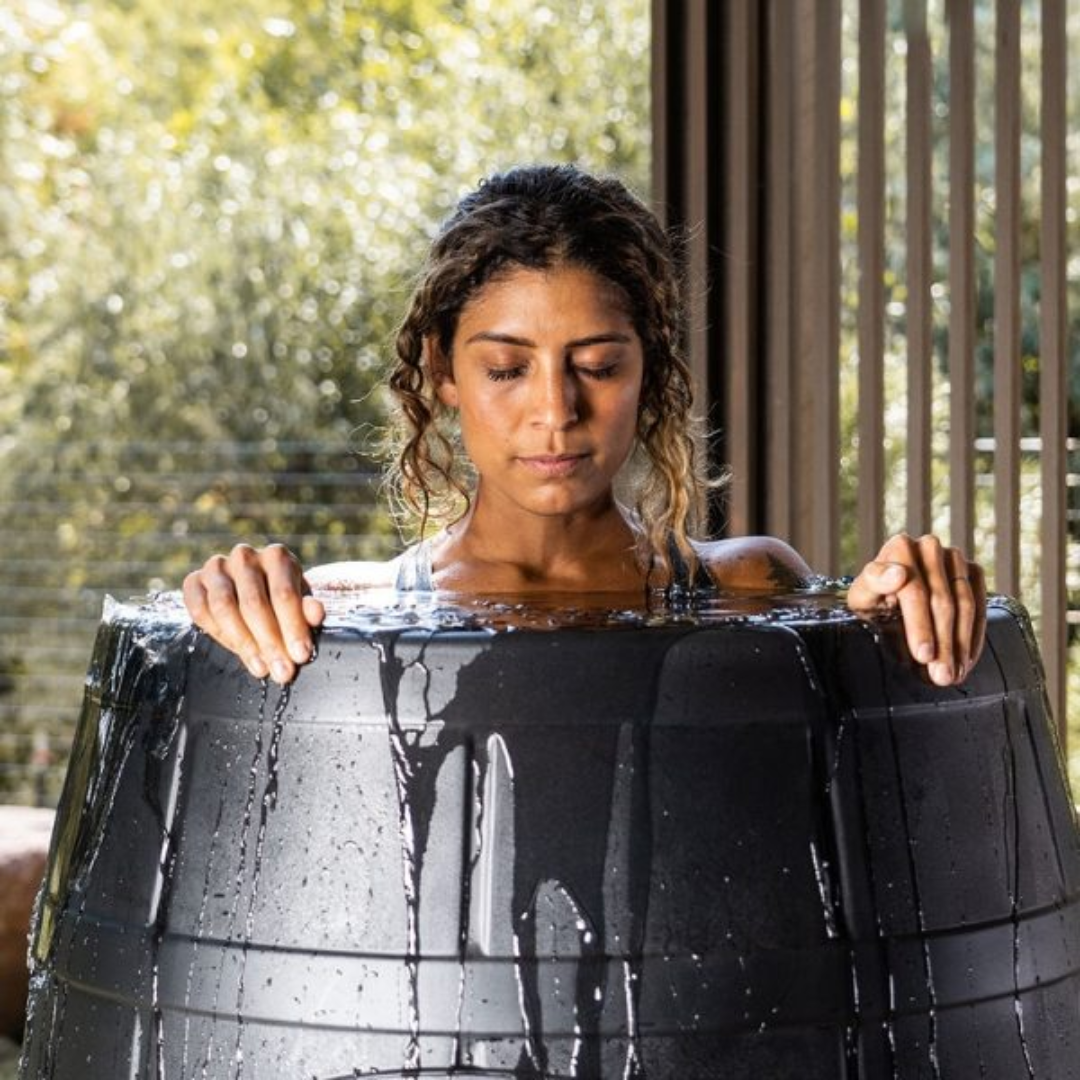
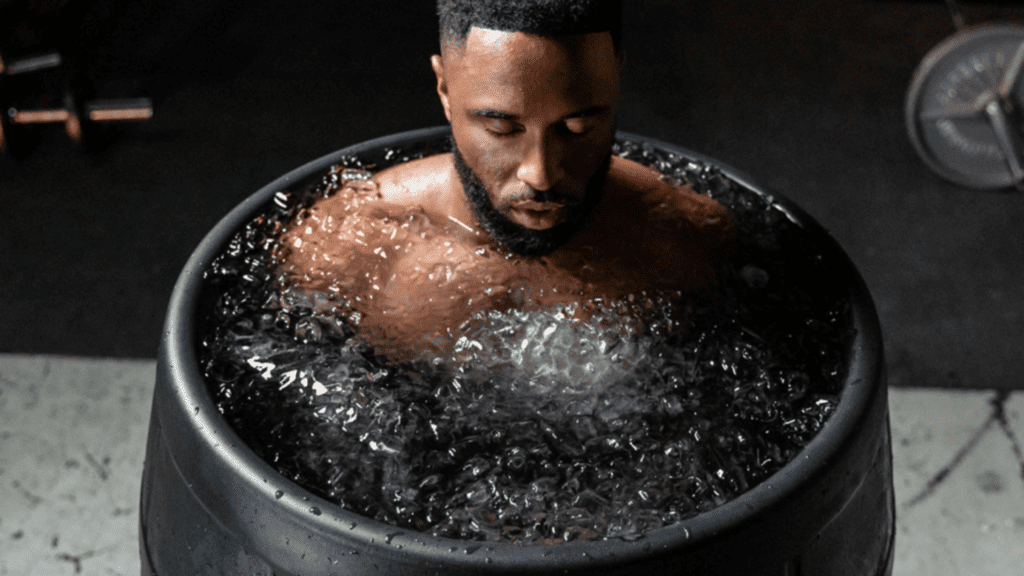
Ice barrel therapy means sitting in a container of cold water, usually with the head above the surface. A barrel is only a container; the barrel shape does not establish a special medical benefit. Cold-water immersion research applies to the water exposure rather than to one branded product.
Cold water can initially cause gasping, rapid breathing and a rise in cardiovascular strain. Feeling alert after a plunge does not prove that the plunge has improved heart health, balanced hormones or treated a mental-health condition. Those outcomes need their own clinical evidence.
Does ice barrel therapy reduce muscle soreness?
Cold-water immersion may reduce delayed-onset muscle soreness compared with passive rest. Soreness commonly develops after unfamiliar or demanding exercise, so a short-term change in discomfort can matter during a busy competition schedule. Reduced discomfort does not establish that an injury has healed faster.
The Cochrane review listed in Sources found some benefit but also important weaknesses in the evidence and safety reporting. Different studies used different exercise sessions and immersion methods. A result from supervised athletes should not become a promise that every home user will recover better.
Treat sharp pain, swelling, weakness or pain after an accident as a separate problem. Cold water can change pain perception without explaining the cause. A physiotherapist or doctor should assess suspected injury before a return to heavy lifting.
Can ice barrel therapy interfere with muscle growth?
Regular cold-water immersion immediately after strength training may reduce some training adaptations. The Roberts study in Sources raises a relevant concern for gym-goers whose main goal is building muscle. Feeling less sore the next morning and developing more muscle over several months are different outcomes.
For a recreational lifter, an ice bath after every lifting session is therefore difficult to justify as essential recovery. During competitions with limited time between events, short-term recovery may carry more weight. Discuss that trade-off with a qualified sports professional instead of following a social-media routine.
Recovery basics remain useful in an Indian gym routine: regular sleep, sensible training progression and sufficient food. Include protein-containing foods such as dal, paneer, curd, eggs or chana across meals. Cold water cannot compensate for routinely missing meals or repeatedly training through pain.
What temperature and duration are safe?
No single temperature or duration is proven safe for everyone. Research protocols are not personal prescriptions. The original recommendation of 0–7°C water should not be treated as an ideal beginner target, and staying longer is not evidence of better recovery.
Ask a qualified professional to assess whether cold immersion is appropriate before using a supervised facility. A thermometer provides more information than counting ice cubes. Water temperature, the amount of body submerged, health conditions and previous exposure all affect the experience.
Keep the head above water and breathe normally. Do not combine immersion with deliberate hyperventilation, underwater breath-holding or alcohol. Choose a setting with another responsible adult, straightforward exit access and staff who understand emergency procedures.
Leave the water if breathing becomes difficult to control, or if chest discomfort, dizziness, confusion or unusual numbness develops. Chest pain, collapse or persistent breathing difficulty needs urgent medical help. A stopwatch should never overrule those symptoms.
Who should avoid unsupervised ice barrel therapy?
People with heart disease, arrhythmias, uncontrolled blood pressure, fainting episodes or cold-triggered reactions need medical advice before cold immersion. Diabetes with reduced sensation or circulation also warrants particular caution. Cold exposure can become harder to judge when normal warning sensations are impaired.
Pregnant people and children should not copy adult athletic protocols. A treating clinician should advise on suitability, and a wellness centre should not replace that assessment. Previous tolerance does not guarantee that the next exposure will be safe.
Choose a clean facility with an explained water-maintenance process. Shared tubs need hygiene controls even when the water feels very cold. Ask about access, assistance and cleaning before booking a session rather than judging the service from photographs.
Does ice barrel therapy improve immunity or mental health?
The evidence cited here does not establish that ice barrel therapy prevents infections, treats depression or normalises cortisol. The original article presented those possibilities as dependable benefits. Removing those promises gives readers a more accurate basis for deciding whether the experience is worth trying.
A person may enjoy the ritual or feel temporarily refreshed. That personal response can be acknowledged without describing cold immersion as a treatment. Persistent anxiety, low mood or sleep problems deserve appropriate professional assessment.
Also, Read 👉 Whey Protein vs. Casein Protein: The Big Question?
Original product resource: Ice Barrel. A commercial website is not independent evidence of health benefits.
Original video: Ice Barrel Therapy. Video demonstrations do not establish a safe personal protocol.
Frequently asked questions about Ice Barrel Therapy
Is ice barrel therapy necessary after a workout?
Ice barrel therapy is optional. Sleep, nutrition and appropriate training loads come first, and many recreational gym-goers recover without cold immersion.
Can an ice bath burn fat?
An ice bath is not a dependable weight-loss strategy. Manage body weight through a sustainable eating and activity plan rather than cold-exposure calorie claims.
Should beginners use near-freezing water?
Beginners should not treat near-freezing water as a target. Individual suitability and supervision matter more than copying a temperature used by someone online.
Can I use ice barrel therapy after lifting?
Occasional use and a regular post-lifting routine are different decisions. Frequent immediate immersion may work against muscle-building adaptations, so weigh the purpose carefully.
Can ice barrel therapy replace treatment for anxiety?
Ice barrel therapy should not replace mental-health care. A short-lived change in mood does not demonstrate treatment of anxiety or depression.
When should I stop a cold plunge?
Stop when breathing is difficult to control or concerning symptoms develop. Seek urgent help for chest pain, collapse or persistent breathing difficulty.
The bottom line
Ice barrel therapy may help short-term soreness, but the evidence does not support the broad wellness promises in the original article. Regular immediate use after lifting may have a muscle-growth trade-off. Cold immersion needs an individual safety assessment and sensible supervision. Choose recovery habits that fit the actual training goal.
Sources
Cold-water immersion (cryotherapy) for preventing and treating muscle soreness after exercise
‘Autonomic conflict’: a different way to die during cold water immersion?


