Isolate Protein: Sources, Labels and Practical Use

On this page
- What does isolate mean?
- How do whey, soy and pea isolates differ?
- Which label numbers should you compare?
- Is whey isolate always lactose-free?
- Does isolate build more muscle than concentrate?
- How do you work out the serving you need?
- When and how should you use it?
- How should you compare price and seller claims?
- Frequently asked questions about Isolate Protein
- The bottom line
- Sources
Isolate protein is a concentrated protein ingredient, not a guarantee that a finished powder is 90% protein: a hypothetical 30 g serving with 24 g protein is 80% protein by weight. Check the complete formula and source. Whey, soy and pea isolates are different ingredients, with different dietary and allergen considerations.
The buying question is whether the product solves a need better than ordinary food or another powder. “Isolate” can sound like an automatic upgrade, but processing alone does not decide taste, tolerance, value or training results. Start with your meals and the information on the exact pack.
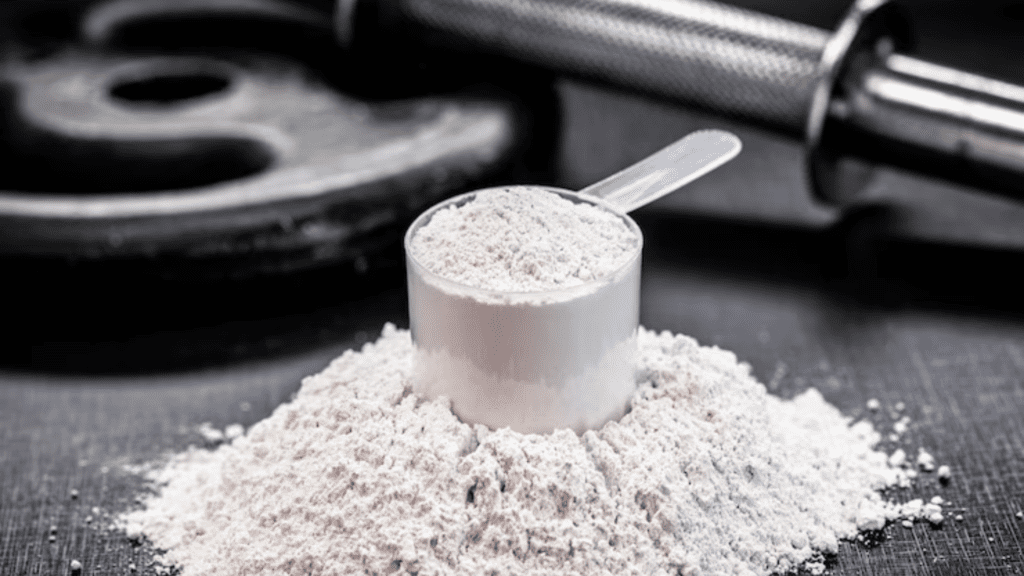
What does isolate mean?
An isolate is produced by concentrating protein from a source while separating some other components. Processing differs between sources and manufacturers. It should not be described as one universal process that produces an identical, nearly pure powder from every food.
The ingredient and the retail formula are also different. A flavoured product may add cocoa, sweeteners or other ingredients to the isolate. Its finished panel can therefore show a lower protein fraction than a claim about the raw ingredient.
How do whey, soy and pea isolates differ?
Whey comes from milk; soy and pea are plant sources. Their amino-acid proportions are not identical. Research comparing plant isolates found substantial differences between sources, so “isolate” is not proof of the same nutritional quality or effect at every dose.
For a vegan shopper, the source is the first filter, followed by the complete ingredient list. A dairy vegetarian may consider whey, but someone avoiding all animal products needs a suitable alternative. Do not confuse plant protein with plant-derived whey.
Which label numbers should you compare?
Read serving weight and protein grams separately. In our hypothetical example, 24 divided by 30 equals 0.8, or 80%. A larger scoop may contain more protein simply because it contains more powder.
Next check energy, carbohydrate, fat, ingredients and allergen information. The word isolate does not establish that every finished formula has less than 1% carbohydrate or fat. Nor does it make the shake calorie-free: powder and mixing ingredients both contribute nutrients.
Use the same basis when comparing products. Dry powder values should not be compared directly with numbers for a drink prepared with milk. Keep the flavour and serving instructions beside your notes so you do not transfer data between variants.
Is whey isolate always lactose-free?
No, the source and exact product matter. A whey isolate may contain less lactose than a concentrate, but “isolate” alone is not a lactose-free declaration. Mixing with water avoids lactose from added milk, but does not remove anything already in the powder.
Lactose intolerance concerns digestion of milk sugar, while milk allergy is a different immune-related issue. Whey remains milk-derived protein in isolate form. A lactose-free statement does not make it an appropriate workaround for a milk allergy.
Soy and pea sources introduce their own allergen considerations. A plant formula is not universally hypoallergenic, and other ingredients or cross-contact may matter. Check declarations and seek individual advice when a known allergy affects the choice.
Does isolate build more muscle than concentrate?
The name alone does not establish a better muscle-gain result. A powder can contribute protein alongside suitable resistance training and food intake. It cannot replace the exercise programme or guarantee faster recovery because it is more processed.
Compare products at the amount of labelled protein you need, rather than at identical scoop volumes. If two appropriate products fill the same practical gap, price, tolerance and convenience may decide between them. Paying more makes sense only when the specific difference matters to you.
also, read Whey Protein Isolate Vs. Concentrate? Which One is Good?
How do you work out the serving you need?
Estimate what normal meals supply before adding a scoop. Include actual portions of dal, curd, soy, eggs, paneer or other suitable foods. Use reliable nutrition data or package labels instead of assuming every bowl or serving contributes the same amount.
For a hypothetical gap of 20 g protein, a powder labelled 24 g protein per 30 g serving would require 25 g powder. That calculation is specific to the example. It is not an instruction for everyone to take 25 g or for all daily protein to come from isolate.
A medical condition or prescribed protein limit requires advice suited to your health situation. This adult fitness guide cannot determine those needs. Do not increase the serving merely because another gym member takes more.
When and how should you use it?
Choose a time that fits your routine, such as a rushed breakfast or a delay before a meal after training. Use the preparation instructions and measure the portion. There is no need to turn a powder into another rigid appointment that makes eating harder.
If adding it to a smoothie or recipe, test a small quantity first. Powders differ in flavour and thickness, and an unflavoured label does not guarantee no noticeable taste. Count the whole drink or dish rather than logging only the powder.
Keep varied meals as the foundation. A plain isolate shake is not automatically equivalent to a meal with vegetables, carbohydrate and other foods. Convenience is its role, not replacing the entire diet.
How should you compare price and seller claims?
Calculate total labelled protein in the pack and divide the delivered price by that amount. A hypothetical 1 kg pack at 80% protein contains about 800 g labelled protein. At an illustrative ₹2,400, that equals ₹3 per gram or ₹75 per 25 g protein.
This arithmetic does not independently test the contents. Check seller details, invoice, seal, batch and expiry, and verify any specific testing claim. Reviews can describe flavour or delivery, but they are not laboratory evidence.
The original isolate protein shopping reference is retained as a commercial link. It is not proof that the linked product is suitable, independently tested or the best value. Read the exact current formula before buying.
Frequently asked questions about Isolate Protein
Is every isolate powder 90% protein?
No, distinguish the ingredient from the finished retail formula. Calculate the protein fraction from the exact product’s serving panel.
Is isolate protein always whey?
No, it can come from different sources including soy and peas. Check the source and complete ingredients.
Is whey isolate vegan?
No, whey comes from milk. A vegan shopper needs a suitable plant formula.
Does isolate have no calories?
No, the powder contributes energy. Milk, fruit and other additions change the complete shake too.
Will it cure digestive discomfort?
Processing does not guarantee symptom-free use. Persistent or severe symptoms need appropriate assessment.
Should I always choose isolate over concentrate?
Compare the actual need, label, tolerance and cost. The ingredient name does not make it a universal upgrade.
The bottom line
Choose isolate protein by its source and finished label. Use it to cover a real dietary gap rather than chasing a purity slogan. Check lactose and allergen information separately from protein percentage. Compare cost and convenience while keeping ordinary meals and training central.
Sources
Gorissen and colleagues: protein and amino-acid composition of plant isolates
ISSN position stand: protein and exercise


