Muscle Blaze Protein Bars: A Practical Snack Guide

On this page
- When is a protein bar useful?
- How do you choose between 10 g and 20 g options?
- What should you read besides the protein number?
- Will the bars build muscle or burn fat?
- Can a bar replace lunch?
- How do you compare value for money?
- What should people with allergies check?
- Which brand claims should you verify?
- Frequently asked questions about Muscle Blaze Protein Bars
- The bottom line
- Sources
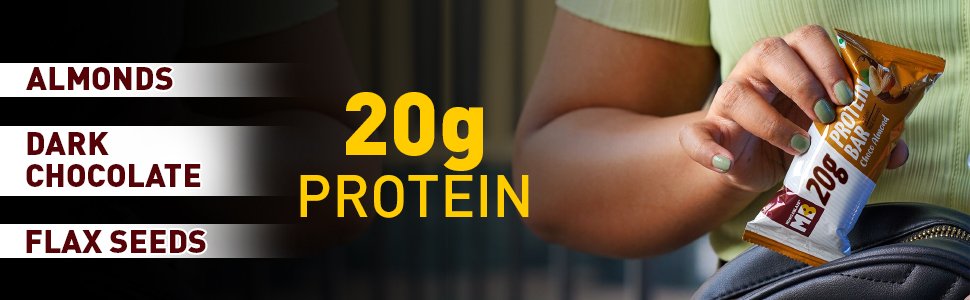
Muscle Blaze protein bars come in different portions: the brand’s catalogue lists both 10 g and 20 g protein options, so one bar is not a universal 20 g serving. Check the exact wrapper before counting it in your diet. A bar contributes food calories and protein; it does not directly burn fat or guarantee muscle gains.
The practical benefit is a snack you can carry without a shaker. That may help during a commute, a long meeting or travel when your usual meal is delayed. Decide whether this convenience solves a real problem before buying a multipack for every day of the week.
When is a protein bar useful?
Use it where an individually packed snack makes eating easier. You may want something that fits in a work bag or can be eaten between appointments. The decision should start with the situation, not the assumption that a branded snack is necessary for every gym session.
At home, eggs, curd, soy or another suitable food may be easier or better value. During travel, a wrapped bar may be more practical than carrying a prepared meal. Compare the options for your routine rather than expecting one product to win everywhere.
How do you choose between 10 g and 20 g options?
Read protein per bar and the bar’s weight separately. The official catalogue checked on 12 October 2026 shows both amounts, but flavour and pack options vary. Do not transfer a panel from one range to another because their packaging looks similar.
Think about the remaining gap in your day. In a hypothetical example, a suitable plan calls for 100 g protein and meals supply 90 g, leaving 10 g. A larger bar is not compulsory when a smaller portion or ordinary food covers the gap.
The calculation is about labelled protein, not a personalised daily prescription. Requirements depend on the person and health situation. A prescribed protein restriction needs individual guidance rather than a serving rule taken from a snack article.
What should you read besides the protein number?
Check energy, carbohydrate, total sugar, added sugar, fat, fibre and ingredients. “No added sugar” is different from no total sugar, and it does not mean a bar has no calories. Use the exact product’s panel rather than a category-wide slogan.
The official Cookies & Cream example lists a blend containing soy and whey, along with wheat and almond ingredients. That demonstrates why the old blanket description of every bar as whey-isolate-based was misleading. It also prevents treating every variant as vegan, soy-free or gluten-free.
If the web description and wrapper differ, use the current wrapper and ask the manufacturer about the discrepancy. Record product name, flavour and batch when seeking clarification. An online panel without the exact variant is not a dependable entry for precise food logging.
Will the bars build muscle or burn fat?
A bar can contribute protein alongside meals and appropriate resistance training. It does not replace the training stimulus or make all additional calories become muscle. Judge progress from the full routine rather than whether you ate a particular snack after exercise.
Account for the bar within your overall intake if managing weight. Adding it after lunch is different from replacing another snack with it. Neither the brand name nor the protein content establishes a fat-burning effect.
There is no need to make the snack an appointment immediately after training. Choose the time that helps with your meals and schedule. If a proper meal is available and suits your needs, you can eat that instead.
Can a bar replace lunch?
A protein number does not establish equivalence to a varied meal. A bar can be a temporary convenience, but routinely replacing meals with it can make the eating pattern less varied. Keep suitable vegetables, fruit and other foods in your plan.
If your workday repeatedly leaves no time for lunch, address that meal arrangement. A simple packed meal, canteen choice or planned snack may solve the problem more consistently. Do not expect one packaged product to carry the whole day’s nutrition.
How do you compare value for money?
Divide delivered price by the number of bars, then by labelled protein per bar. For a hypothetical ₹600 box of six 20 g bars, the cost is ₹100 per bar or ₹5 per gram of protein. For a hypothetical ₹360 box of six 10 g bars, it is ₹60 per bar or ₹6 per gram.
The second example has a lower price per snack but a higher price per amount of protein. These figures are illustrative, not current offers. Convenience, tolerance and how much you need still affect the choice.
Check the selected box size, flavour and final checkout total. A discount percentage alone cannot compare different serving sizes. Buy an amount you can finish before its date, particularly if you have not tried the flavour.
What should people with allergies check?
Read the finished product’s ingredients and allergen declaration. A vegetarian product can still contain milk, soy, wheat or nuts. Vegetarian and vegan are different claims, and a green dietary mark does not establish suitability for a milk allergy.
With a known allergy, confirm suitability before trying the bar. Do not use a smaller bite as a safety test. Sudden breathing difficulty or mouth or throat swelling after food requires urgent medical help.
Which brand claims should you verify?
The existing Muscle Blaze Protein Bars shopping link can help identify the current range. It is a commercial reference, not independent proof of every nutritional, testing or sustainability claim. Check supporting evidence for the exact product where a claim affects your decision.
This guide does not repeat unsupported claims about green-energy factories, recyclable packaging, launch dates or national distribution numbers. Taste also varies by person; start with a small quantity when dietary suitability is clear. Follow the wrapper’s storage instructions and check the seal and expiry on arrival.
Also, read Muscleblaze Protein Oats: The Perfect Blend Of Nutrition And Taste
Frequently asked questions about Muscle Blaze Protein Bars
Does every bar provide 20 g protein?
No, the catalogue includes different protein portions. Read the exact variant’s wrapper before counting it.
Will the bar burn fat?
A protein bar does not establish a direct fat-burning effect. Its calories count within your overall intake.
Are all flavours sugar-free?
Do not apply one range’s sugar claim to every flavour. Check total and added sugar on the actual panel.
Are vegetarian bars vegan?
Not necessarily, since vegetarian products can contain milk. Check the full ingredients and the dietary declaration.
Should I eat one after every workout?
Only if it fits a genuine food gap or convenience need. An appropriate meal is another option.
Can I rely on a bar instead of lunch?
It is not automatically equivalent to a varied meal. Plan regular meals rather than making a bar your routine replacement.
The bottom line
Choose Muscle Blaze protein bars for a practical snack need. Match the exact portion and label to your diet rather than relying on a universal protein figure. Compare cost, ingredients and allergen needs before buying. Treat the bar as food, not a promise of muscle gain or fat loss.
Sources
MuscleBlaze: current bar catalogue
MuscleBlaze: Cookies & Cream ingredients and nutrition information
ISSN position stand: protein and exercise