Ghee vs Butter for Bodybuilding: Nutrition and Practical Choice
Neither ghee nor butter builds muscle directly. Compare calories, saturated fat, cooking use and how each fits a balanced bodybuilding diet.
On this page
- What is the difference between ghee and butter?
- Ghee vs butter: bodybuilding comparison
- Can ghee or butter help with bulking?
- Does ghee increase testosterone?
- How much saturated fat is too much?
- Is ghee lactose-free?
- Which is better for cutting?
- Which fats should bodybuilders prioritise?
- How do you choose between ghee and butter?
- Frequently asked questions
Updated October 2026
Neither ghee nor butter builds muscle directly. Both are calorie-dense dairy fats with substantial saturated fat and very little protein. For bodybuilding, the better choice is the one used in a modest amount within an overall diet that supplies enough protein, carbohydrate, micronutrients and appropriate calories.
Ghee is not automatically “healthy” because it is traditional, and butter is not automatically harmful in every quantity. Portion size and the total saturated-fat pattern matter more than using either food as a performance supplement.
What is the difference between ghee and butter?
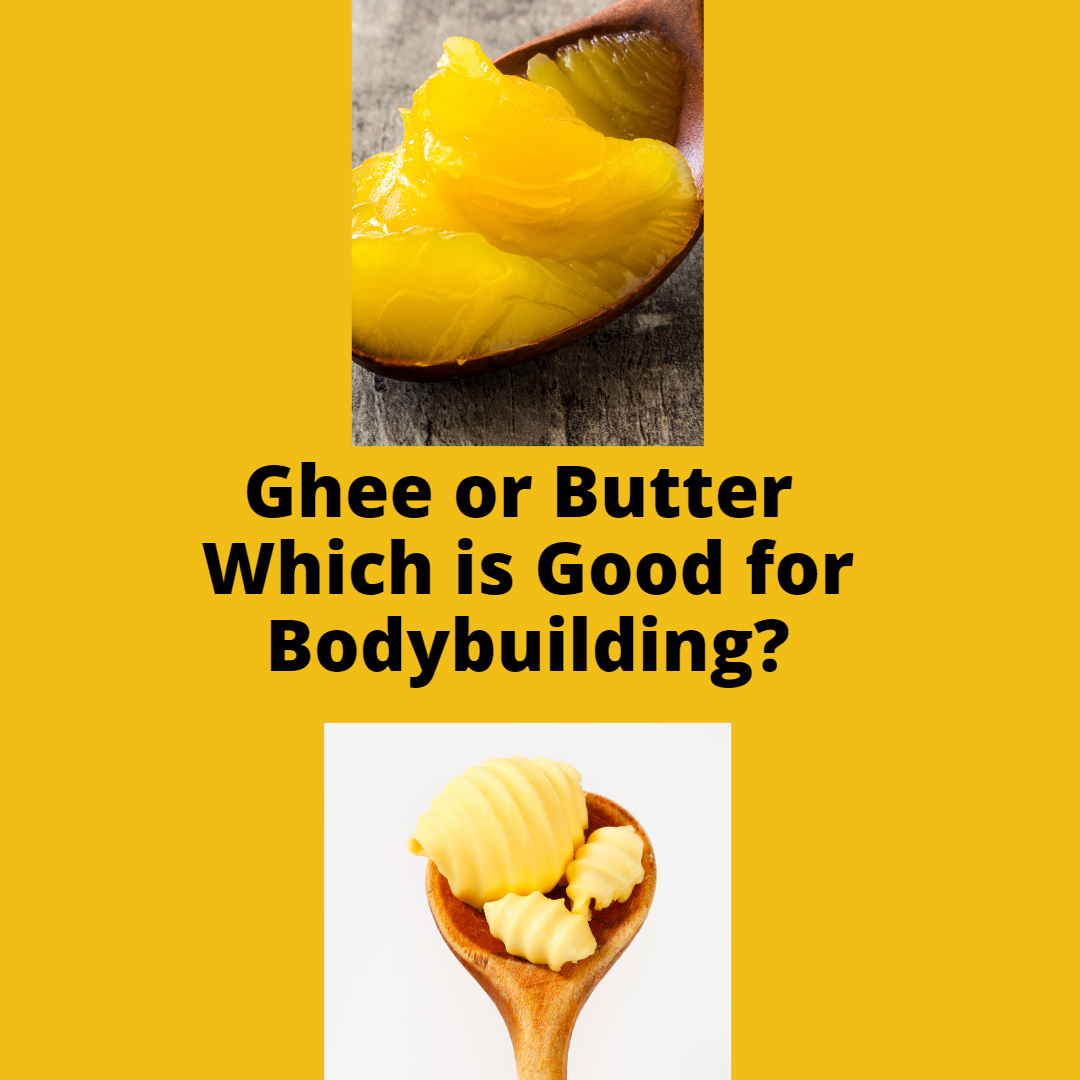
Butter contains milk fat plus water and small amounts of milk solids. Ghee is made by heating butter and removing most water and milk solids, leaving a more concentrated cooking fat.
Because ghee is more concentrated, a spoon can provide slightly more fat and energy than the same spoon of butter. Exact values vary by brand and serving, so compare the nutrition labels per 100 g and per portion.
Ghee vs butter: bodybuilding comparison
| Factor | Ghee | Butter |
|---|---|---|
| Protein | Negligible | Negligible |
| Main nutrient | Fat | Fat |
| Saturated fat | High | High |
| Water and milk solids | Most removed | Retained |
| Cooking | Suited to higher-heat cooking | Can brown or burn sooner because of milk solids |
| Muscle building | No direct advantage | No direct advantage |
Can ghee or butter help with bulking?
Ghee and butter can make it easier to increase calories because fat provides 9 kcal per gram. That can help someone who struggles to eat enough during a planned gaining phase, but extra fat alone does not direct weight gain toward muscle.
Muscle gain requires progressive resistance training, adequate protein and a controlled energy surplus. A very large surplus can add more body fat without improving the rate of muscle gain proportionally.
Does ghee increase testosterone?
No good evidence shows that adding ghee produces a meaningful testosterone increase or superior muscle growth in healthy lifters. Dietary fat is necessary, but it can come from a mix of sources such as nuts, seeds, fish, dairy and vegetable oils.
Marketing claims that one traditional fat “boosts hormones” should not be treated as a reason to consume large amounts. Hormone symptoms require clinical assessment, not self-treatment with cooking fat.
How much saturated fat is too much?
The World Health Organization recommends that saturated fat provide no more than 10% of total energy and that most dietary fat come from unsaturated sources. For a 2,000 kcal diet, 10% equals about 22 g of saturated fat across the whole day.
India’s Dietary Guidelines for Indians 2024 identify ghee and butter as visible saturated-fat sources and warn against excessive intake. The practical limit must account for saturated fat from full-fat dairy, coconut or palm fat, bakery foods, fried foods and meat—not only the spoon added during cooking.
Is ghee lactose-free?
Clarification removes most lactose and milk solids, so some people with lactose intolerance tolerate ghee better than butter. Ghee is still derived from milk, may contain traces of milk components and is not safe for everyone with a milk-protein allergy.
Which is better for cutting?
Neither ghee nor butter has a special fat-loss effect. Both are energy-dense, so measuring the portion can help during a calorie deficit. A small amount used for flavour can fit, while free-pouring either fat can erase the intended deficit.
Which fats should bodybuilders prioritise?
Use a varied fat pattern rather than relying mainly on ghee or butter. Nuts, seeds, groundnut oil, mustard oil, other suitable vegetable oils and fish can provide more unsaturated fat. The best mix depends on the full diet, cooking method, allergies and individual health.
How do you choose between ghee and butter?
- Choose the flavour and cooking property that suits the dish.
- Measure the serving instead of estimating by eye.
- Count saturated fat from the whole day.
- Do not count either food as a protein source.
- Use mostly unsaturated fats across the overall diet.
- Check the ingredient list and avoid unrelated “muscle-building” claims.
Frequently asked questions
Is ghee better than butter for muscle gain?
No. Both mainly provide fat and calories, not protein. Muscle gain depends on training, adequate protein and an appropriate energy intake.
Can I eat ghee every day while bodybuilding?
A modest portion can fit many diets, but daily saturated fat from all foods should remain within health guidance. “Daily” does not mean unlimited.
Is butter good before a workout?
Butter is not a rapid workout fuel and a large fatty meal may feel heavy. Carbohydrate, hydration and meal timing are usually more relevant before demanding exercise.
Does ghee help recovery?
Ghee supplies energy but has no established special recovery effect. Recovery depends more on protein, carbohydrate, fluids, sleep and training load.
Which has more calories, ghee or butter?
Ghee is generally more calorie-dense because most water and milk solids are removed. Compare the specific labels and measure the portion.
Can lactose-intolerant people use ghee?
Some tolerate ghee because it contains very little lactose, but sensitivity varies. Milk allergy is different and requires greater caution.
Is ghee healthy for the heart?
Ghee is high in saturated fat, so portion and total dietary pattern matter. Replacing part of saturated fat with unsaturated fat is consistent with WHO guidance.
Bottom line: use ghee or butter for taste and cooking, not as a bodybuilding supplement. Keep portions modest and prioritise protein, training and a varied fat pattern.


